

Pérez’s Cadillac extension puts continuity at the centre of a long rebuild
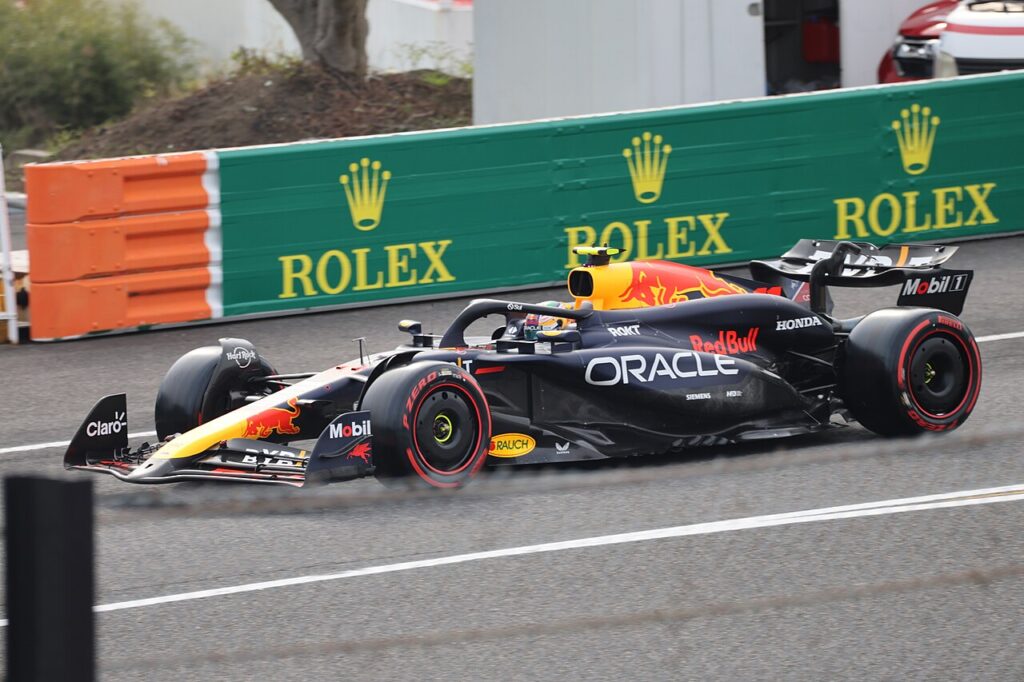
Sergio Pérez will remain with Cadillac until at least 2029, giving Formula 1’s newest team a measure of stability while it tries to turn its first season into a foundation for improvement. The extension, announced on 28 October, also arrives ahead of the Mexican driver’s 300th Grand Prix start at his home race.
Formula 1’s official announcement places the agreement in the context of a difficult debut campaign: Cadillac has yet to score a point. Pérez’s six Grand Prix wins bring experience to that project, but the new deal is a commitment to the work ahead rather than evidence that the competitive problems have already been solved.
Why a stable driver pairing matters
For a developing team, continuity is useful because it makes feedback easier to compare. If the driver remains the same while the car changes, engineers have one fewer variable to disentangle. A complaint about braking stability, for example, can be assessed against earlier runs and earlier versions of the car without first learning a new driver’s preferences.
That is an explanation of the value of continuity, not a guarantee of faster lap times. A driver can describe what the car is doing; the organisation still needs to identify the cause and deliver a workable solution. Design, manufacturing, preparation and the ability to bring reliable updates to the circuit remain central to progress.
There is a human element too. Race weekends depend on decisions made quickly by people who must trust one another. Familiarity can make radio exchanges clearer and preparation more efficient. It cannot remove the pressure of poor results, and a long contract does not make any team immune to scrutiny.
A milestone alongside unfinished business
Pérez’s home appearance gives supporters an occasion to celebrate a career milestone. The sporting task is different: Cadillac needs to make its underlying performance more competitive. Keeping those two stories separate helps avoid treating the atmosphere around a home race as proof of a technical breakthrough.
The extension also changes the timescale of the conversation. Instead of asking only whether the next race will produce a point, the team can be assessed on whether recurring weaknesses are being addressed. Qualifying performance, race execution and reliability can tell different parts of that story; one good finish alone cannot explain all three.
What to watch next
The most useful evidence will come from repeatable performance across different circuits. An improvement that appears only under one unusual set of conditions is harder to interpret than a car that becomes more predictable over several weekends. That makes comparison and consistency important alongside the headline result.
For African fans following a growing international grid, Cadillac’s project is a reminder that joining Formula 1 and becoming competitive are separate challenges. Pérez’s new agreement gives the team a familiar voice through that process. Whether it produces the intended sporting return will be decided by what Cadillac builds and how it races, rather than by the length of the contract.
Source: Perez signs contract extension to remain at Cadillac until at least 2029. Reporting and analysis by Montage Africa.


