Sierra Leone’s President Julius Maada Bio Closes The West Africa Integration And Investment Summit With Landmark Agreements And Announcements
Add Montage Africa on Google
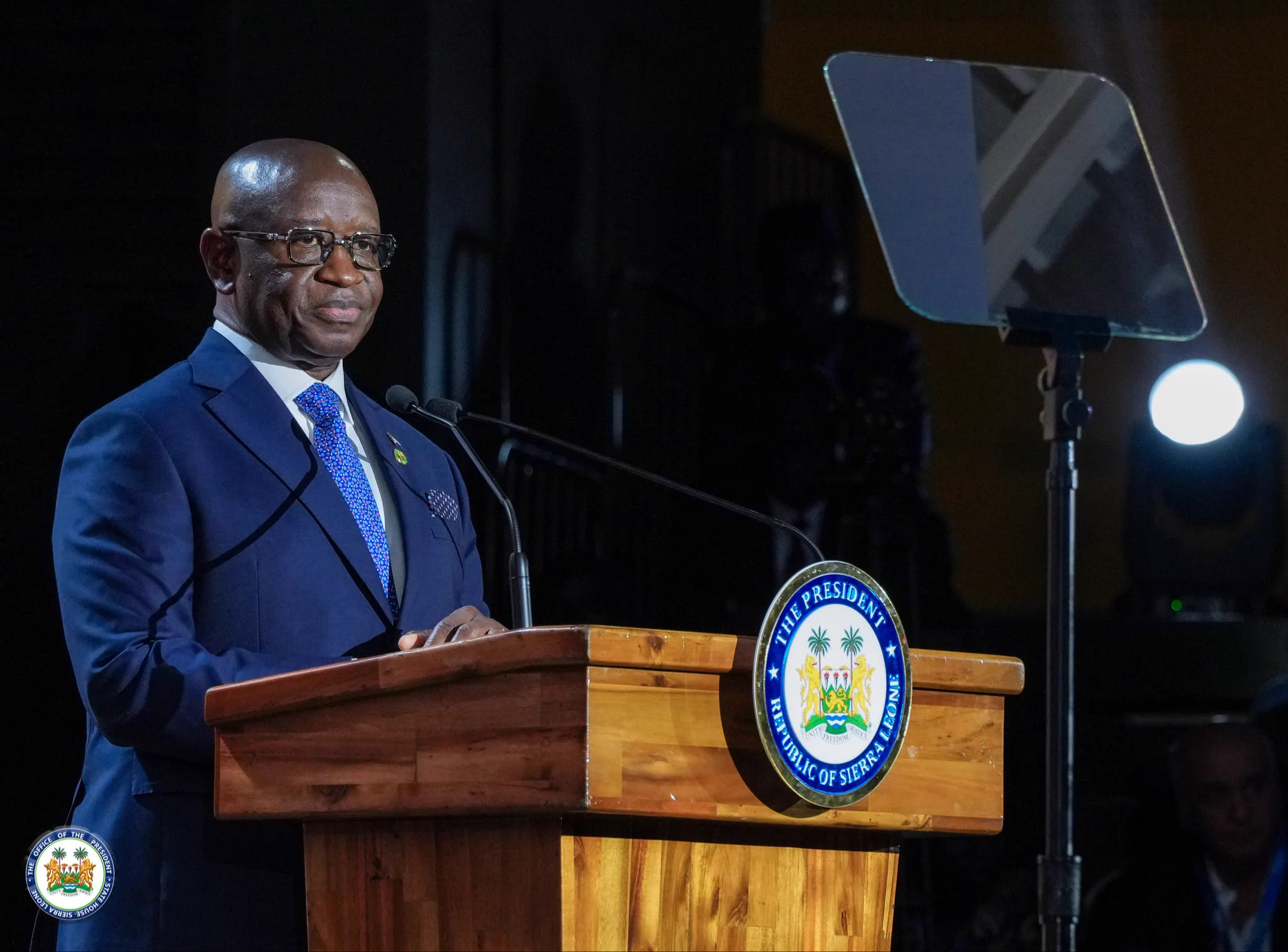
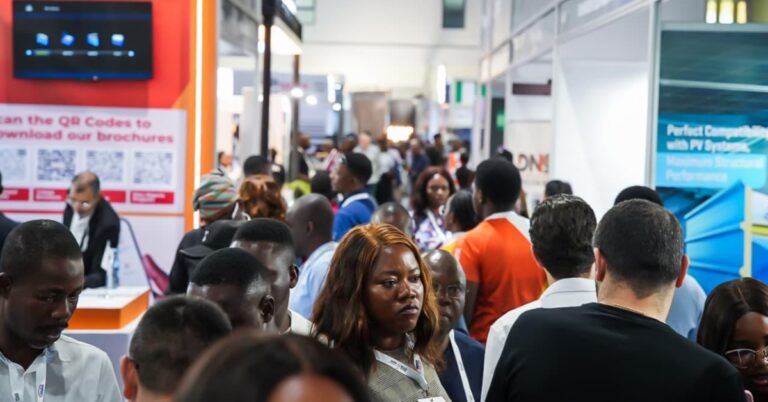
Julius Maada Bio International Conference Centre, Lungi, Wednesday 18 November 2026 – His Excellency President Dr Julius Maada Bio has concluded the inaugural West Africa Integration and Investment Summit (WAIIS) 2026 with 13 agreements signed and seven major announcements and project launches over two days, marking a significant step towards translating West Africa’s regional integration ambitions into concrete investment opportunities, infrastructure development and economic transformation.
The 13 agreements signed across the two days cover the development of the Banana Island Deep-Water Port and Railway, coastal cabotage shipping, transmission infrastructure connecting mining operations, the Three Cities Development Project and Ring Road, electronics and mobile phone manufacturing, telecommunications expansion into other African markets, Sierra Leone’s national utility masterplan, the Kent Harbour Terminal, a US$200 million financing facility for Pavifort, sovereign investment in mining through Boxmoor Resources, responsible and green minerals development, the Teyei Hydropower Project and the Nant 108-megawatt gas-to-power project.
The first day of the summit, which hosted the arrival of visiting Heads of State and Government, recorded four agreements and three major regional announcements and launches, with a strong emphasis on transport infrastructure, energy connectivity and food security.
Among the major agreements was a Memorandum of Understanding between Gento Group of Companies, Dangote Industries and Afreximbank for the development of the Banana Island Deep-Water Port, a logistics hub at Kent and a railway connecting the port to Sierra Leone’s mining regions. The port component is estimated by the project sponsor at approximately US$2.7 billion, forming part of a wider infrastructure vision to strengthen Sierra Leone’s position as a regional trade and logistics hub.
Another agreement between the Ministry of Planning and Economic Development, Ploutus Holding and NZOIA Corporation, witnessed by the African Continental Free Trade Area (AfCFTA) Secretariat, advances plans for a coastal cabotage shipping service linking Freetown with other West African coastal destinations. The initiative seeks to provide an alternative to the region’s heavy dependence on road transportation for the movement of goods.
In the energy sector, the Ministry of Energy, Ministry of Mines and Mineral Resources, Africa Finance Corporation and LeoneVolt signed an agreement to develop the Northern Transmission Corridor, connecting mining operations to reliable electricity supply and supporting industrial growth. Pavifort-AL Associates Group also signed an agreement for the Three Cities Development Project Initiative and the proposed upgrading and tolling of the Ring Road and its appendages, a programme estimated by its sponsor at approximately US$2 billion.
The first day also witnessed the announcement of the Mano River Union Strategic Economic and Industrial Corridor, a regional programme involving Sierra Leone, Guinea, Liberia and Côte d’Ivoire. Coordinated by the ECOWAS Commission, Mano River Union Secretariat, UNIDO and the WAIIS Secretariat, the corridor brings together five priority projects valued at approximately US$600 million, covering renewable energy, electricity transmission, port logistics, agro-processing and digital customs.
In another significant development, the Government of Sierra Leone and the World Bank launched the AgriConnect Compact, a 2026–2030 programme aligned with the Feed Salone initiative and supported by a US$40 million World Bank grant. The programme targets the rice, maize, onion and cocoa value chains, with the objective of strengthening agricultural production, processing and market access.
The ECOWAS Commission, Ministry of Agriculture and Food Security, ECOWAS Bank for Investment and Development, WAIIS Secretariat, GIZ and AfricaRice also launched the US$1 billion Agribusiness and Rice Sovereignty Facility. With US$500 million earmarked for its Rice Window, the facility is designed to mobilise financing for increased regional food production, rice processing and other agricultural value chains, reducing West Africa’s dependence on food imports.
The second day added nine further agreements and four major announcements, expanding the summit’s outcomes into manufacturing, telecommunications, financial services, mining, energy generation and digital infrastructure.
A notable agreement between the Ministry of Communication, Technology and Innovation and Unique Group provides for the establishment of a mobile phone and electronics assembly plant in Sierra Leone, creating prospects for local manufacturing and technology-related employment. The Ministry, Sierratel and Africell also signed an agreement for a joint venture to pursue telecommunications licences in other African markets under a Sierra Leonean brand, with the Government holding a 15 per cent stake and Africell 85 per cent.
In infrastructure and energy, the Ministry of Communication, Technology and Innovation and Ministry of Energy signed an MoU with Aton Path for the Sierra Leone Utility Masterplan, while Gento Group and Ghana Investment Bank signed an agreement to develop and finance the Kent Harbour Terminal, a key logistics component of the wider Banana Island Port and Railway Programme, estimated by the project sponsor at approximately US$6.1 billion for the port and railway combined.
Financing for major infrastructure development also featured prominently, with Afreximbank and Pavifort AL Associates signing a term sheet for a revolving facility of up to US$200 million in bid bonds, performance guarantees and letters of credit. The facility is expected to support the company’s participation in donor-financed contracts across Afreximbank member states.
In the minerals sector, Boxmoor Au and Angola’s Fundo Soberano de Angola signed an agreement involving Boxmoor Resources, the company behind the Baomahun Gold Project, valued at approximately US$1.5 billion. The development brings African sovereign wealth investment into the region’s mining industry. Nigeria also signed on to UNIDO’s Global Alliance for Responsible and Green Minerals, strengthening regional cooperation on responsible mineral production and processing.
The energy sector recorded two additional agreements. The Ministry of Energy and FG Gold signed an MoU for the Teyei Hydropower Project, which has an estimated generation potential of between 25 and 40 megawatts, subject to feasibility studies. The Ministry also signed an agreement with Nant Power concerning its 108-megawatt gas-to-power plant at Kissy, Freetown, estimated at US$415 million. The project’s first 60 megawatts are expected to be delivered to the national grid in early 2027.
Four additional announcements on the second day further expanded the summit’s outcomes. Chief Minister Dr David Moinina Sengeh announced the ECOWAS Data Embassy Readiness Initiative, supported by an initial US$1 million African Development Bank grant towards a US$4.35 million facility designed to provide secure regional backup for member states’ critical national data.
The Government also announced plans for a second submarine fibre-optic cable, estimated at US$40 million, to provide Sierra Leone with an alternative international internet connection, increase capacity and improve data affordability. The World Bank has allocated US$15 million, with the National Cable Consortium seeking a further US$25 million from private investors.
In another important development for the mining and financial sectors, the Bank of Sierra Leone announced an agreement to purchase gold from FG Gold’s Baomahun Mine to strengthen the country’s national gold reserves using locally produced resources. Developed with approximately US$430 million in financing from the Africa Finance Corporation and Afreximbank, the mine is expected to generate up to 900 jobs. The Bank of Sierra Leone also announced the issuance of a merchant banking licence to TOCAM Merchant Bank.
Addressing delegates at the closing ceremony, President Bio described WAIIS as the apex political, investment and deal-making platform for West Africa, thanking Dr Kandeh Kolleh Yumkella and the organising team for translating his vision for regional integration into reality. He challenged governments, regional leaders and the private sector to move beyond declarations and commitments, remove barriers to cross-border trade, expand access to finance for women and young people, and ensure that the agreements signed translate into productive investments, jobs and improved livelihoods.
The President emphasised that West Africa must move from a Community of States to a Community of Markets, united by production, trade and investment. He called for the transformation of the region’s agricultural potential, energy resources, strategic minerals and digital infrastructure into engines of industrialisation and shared prosperity, stressing that the true measure of the summit would be what is delivered after participants leave Lungi.
Dr Kandeh Kolleh Yumkella, Chairman of the Presidential Initiative on Climate Change, Renewable Energy and Food Security (PI-CREF) and Special Envoy for WAIIS, thanked President Bio for his leadership and initiative, attributing the summit’s success to the commitment of ECOWAS and its member states. Reporting on the outcomes, he confirmed that the 122 projects received from the 15 ECOWAS member states had advanced through the summit’s investment process, assuring the President: “Your Excellency, we have delivered for you. The conference ends today, but the deal room remains open.” He reaffirmed the commitment to sustain engagement with investors, development partners, entrepreneurs and regional leaders to advance implementation.
With 13 agreements and seven announcements or launches recorded over the two days, WAIIS 2026 has brought together governments, financiers, development institutions and private sector actors around an investment pipeline of 122 projects estimated at approximately US$19 billion.
The summit’s conclusion therefore marks the beginning of an implementation process that will require sustained political commitment, private sector participation and effective partnerships to transform the region’s economic potential into productive capacity, employment and shared prosperity.