Opinion: African fashion needs orders and production capacity as well as applause
Creative-industry gatherings can open doors. The lasting commercial test is what designers can produce, deliver and build afterwards.

Opinion | Montage Africa editorial analysis
A fashion showcase can make a collection visible in a moment. Building a durable fashion business takes much longer. As Lagos prepares for CANEX WKND, the most useful question is how the attention generated by a creative gathering can support the less visible work of production, distribution and repeat business.
CANEX’s fashion programme explicitly presents itself as a trade-focused platform. Its published description connects designers with buyers, manufacturers, retailers and industry specialists, with exhibitions, meetings and business education alongside showcases. That is a worthwhile emphasis because visibility and commercial readiness are different achievements.
Give the business conversation substance
A buyer who likes a collection still needs a clear account of what can be supplied. Prices, materials, available sizes, delivery periods and production capacity turn an expression of interest into a conversation that can move forward. A designer should not have to improvise those answers in the excitement of a crowded event.
Preparation need not mean presenting a small label as a large factory. A realistic production offer is more credible than an impressive promise the business cannot keep. The commercial value of a showcase can be stronger when participants understand their own limits and know which partnerships could help them expand responsibly.
Organisers can support that preparation by making the purpose of each activity clear. A general audience event, a training session and a meeting with a potential buyer should not be promoted as though they provide the same opportunity. Participants need to know what they are attending and what they should bring.
Production deserves its own spotlight
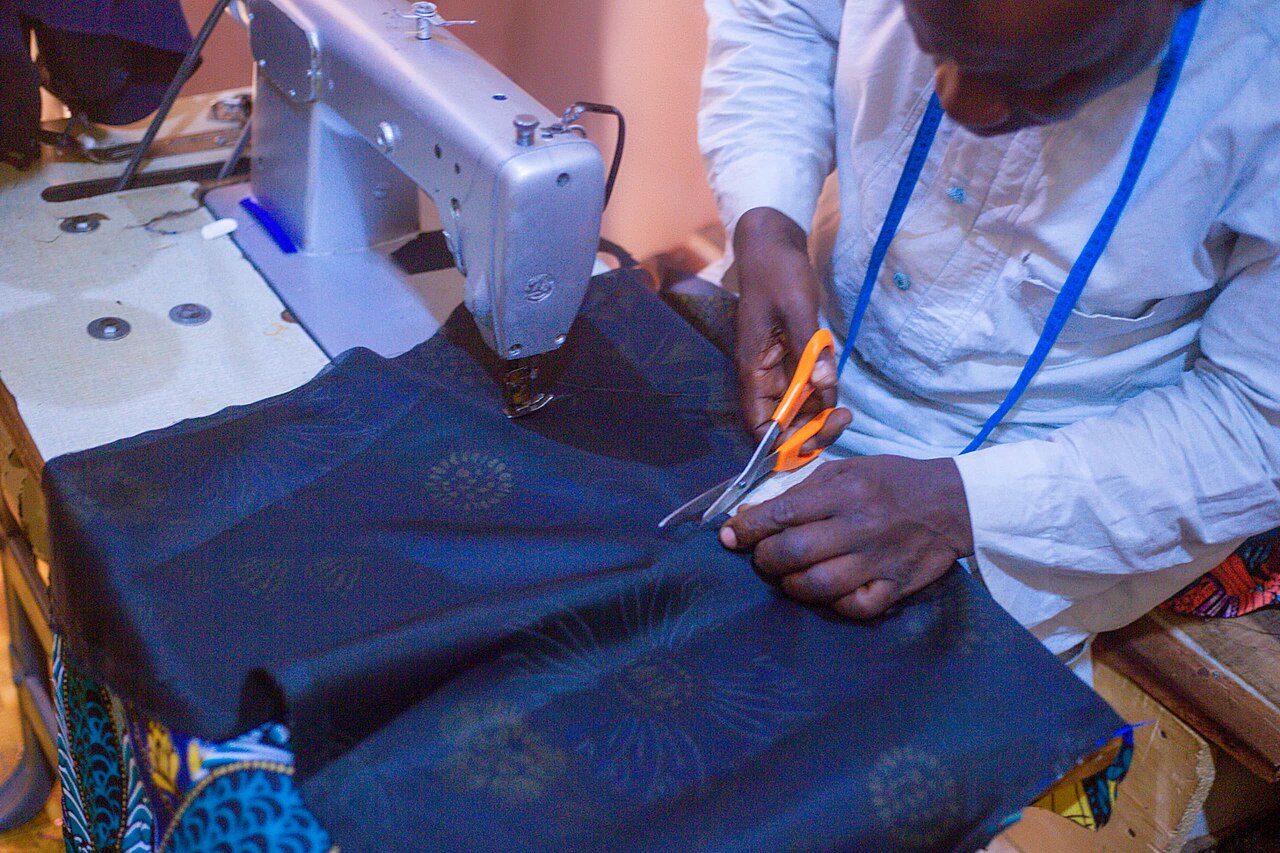
The creative economy’s public story often centres on the most recognisable people and the most photogenic finished work. A stronger business conversation would also give room to the skills and services behind a garment: pattern development, fabric sourcing, quality control, production planning and the management of delivery.
Those are proposed priorities for industry support, rather than a claim that any particular label lacks them. They matter because commercial expansion asks a business to repeat its quality across more work, communicate reliably with partners and meet the terms it agrees.
Manufacturers and service providers should therefore have a visible place in the exchange. A designer’s next important partner might be someone who can help solve a production problem, rather than someone who can generate a larger audience. A well-matched operational relationship can be valuable even when it does not create a headline.
Follow up after the event closes
The most useful account of an industry gathering would continue after the showcases. What discussions became contracts? Which collaborations moved into production? What obstacles prevented promising introductions from progressing? Those questions can be answered without disclosing commercially confidential terms.
There should also be room to report outcomes other than immediate investment. A business might revise its pricing, identify a suitable supplier or understand a market requirement more clearly. These can be meaningful results, provided they are described accurately and not converted into an inflated claim about deals concluded.
For public institutions and development partners, the case for support should be assessed through a stated objective and evidence suited to it. An attendance figure can describe reach. It cannot, on its own, establish how much a participating business earned or whether a new commercial relationship survived.
Keep the creative work at the centre
None of this requires reducing fashion to a spreadsheet. Design, cultural expression and craft are central to its value. The point is to build the practical conditions in which people can continue producing that work and receive a fair return for it.
Lagos can host conversations that help with that task. The organisers’ commercial emphasis gives participants a useful starting point. The lasting test will be the work that follows: realistic orders, capable production partners, dependable delivery and businesses strong enough to return with another collection. Applause can open the door. It should not be the only outcome counted.
Source and further reading
CANEX Fashion: official programme and commercial focus. The views and recommendations above are Montage Africa’s editorial analysis.