

Takahata race-walk performances mark a new chapter for the marathon distance
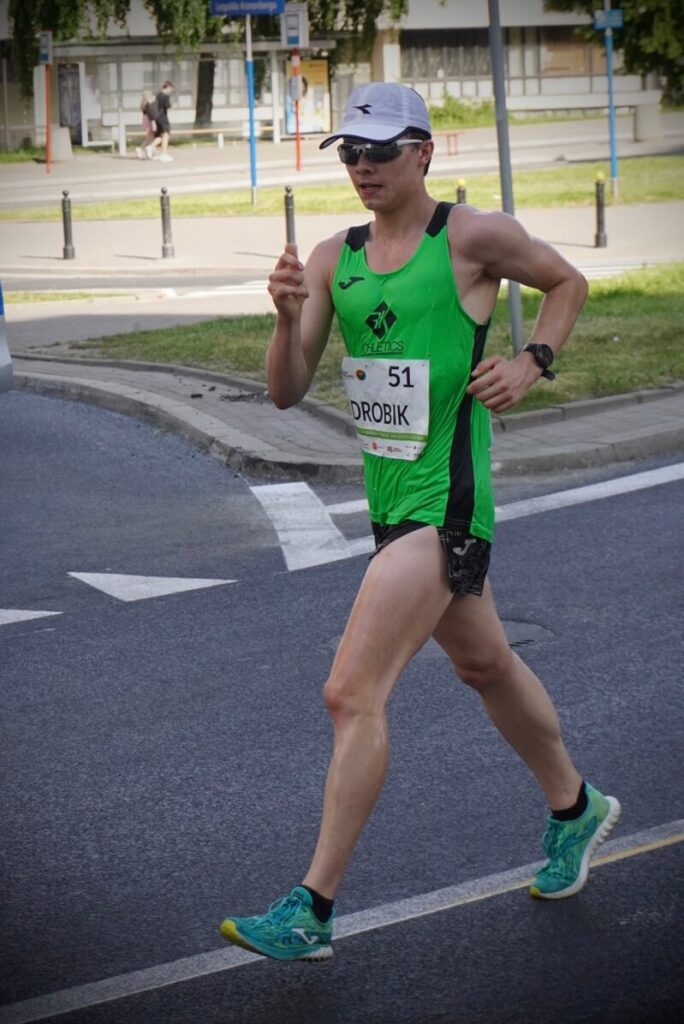
Rebecca Henderson and Masatora Kawano produced world marathon race-walk record performances in Takahata on 25 October, according to World Athletics. Henderson clocked 3:14:52 and Kawano 2:55:14, with both marks subject to the usual ratification procedure.
The half-marathon and marathon became official race-walking distances on 1 January 2026. That change gives the Takahata performances significance within a developing set of official standards rather than treating them as directly interchangeable with the former 35-kilometre event.
A new distance creates a new comparison
Race walking’s technical requirements distinguish it from running, even when the distance has a familiar name. A marathon race walk is therefore its own sporting event. Its times should not be read against running performances as if the athletes were doing the same task.
Changing the official distance also changes the way performances are compared historically. An athlete’s experience at a different distance remains relevant to preparation, but the result belongs to the event actually contested. Clear naming helps preserve that distinction.
For supporters, a new record category can be confusing if the qualification is omitted. The most useful report identifies the distance, the governing body’s status for the mark and any remaining ratification step. That provides recognition without getting ahead of the official process.
Two different ways to reach a fast time
World Athletics describes Kawano moving away from a group late in the men’s race, while Henderson completed her women’s effort largely alone. Those are different competitive situations: one involves responding directly to rivals, while the other places more emphasis on maintaining a rhythm without a close opponent alongside.
Both still require the discipline’s technique to be maintained under fatigue. A fast early pace is useful only if an athlete can sustain a legal and effective performance through the closing kilometres.
Why ratification is part of the story
A performance reported as a record remains subject to the governing body’s verification process. That wording does not diminish what the athletes achieved on the road. It explains the difference between the reported mark and its final administrative recognition.
The same care should apply when discussing qualification standards and future championships. A strong performance can satisfy one requirement without automatically confirming every aspect of a later selection. National teams and event entry processes have their own conditions.
Takahata offered a substantial early reference point for the marathon race-walking distance. Henderson and Kawano supplied the performances; official ratification will settle the record status. For the discipline, the broader story is the beginning of a new set of comparisons that will develop as more races are contested.
Source: Henderson and Kawano set world marathon race walk records in Takahata. Reporting and analysis by Montage Africa.


