

Rickelton’s wicketkeeping role brings South Africa’s balance into focus
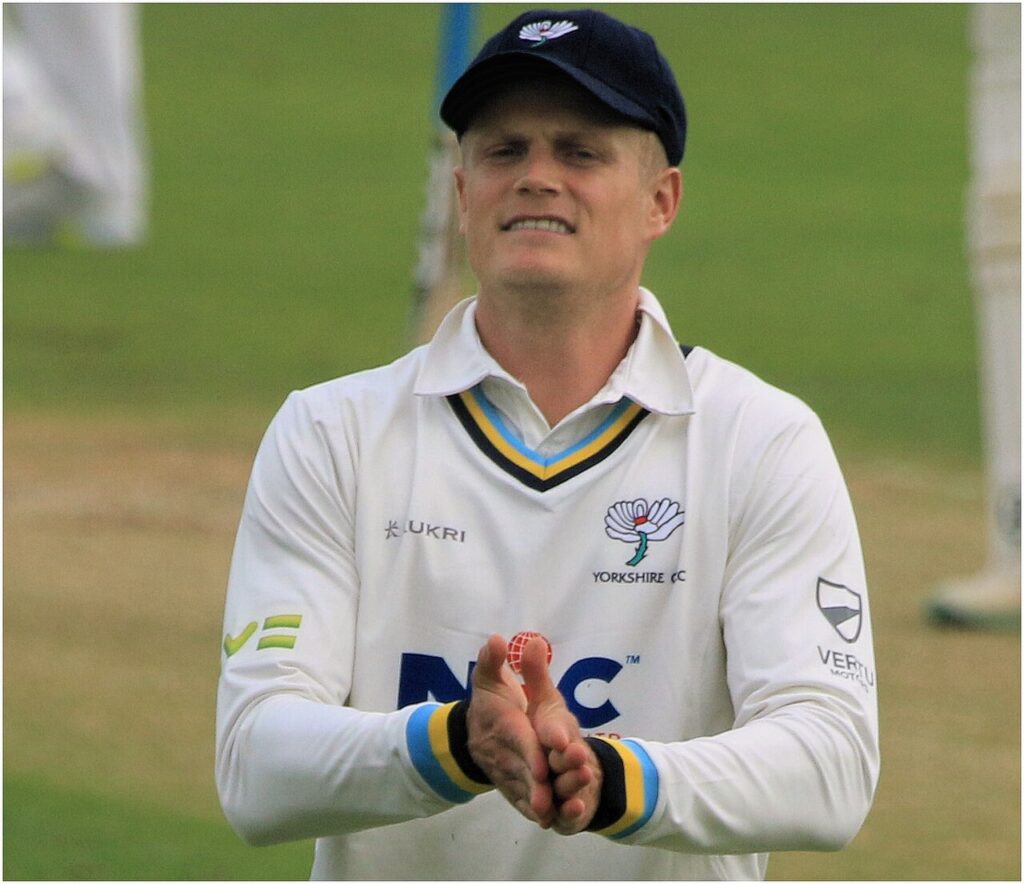
Ryan Rickelton’s move behind the stumps became one of South Africa’s important selection adjustments after the opening Test defeat by Australia. In a report published on 16 October, the ICC described the coaching staff’s confidence that the extra responsibility would suit him.
Fielding coach Kruger van Wyk said Rickelton had continued practising his wicketkeeping even while selected primarily as a batter. The report appeared before the second Test in Gqeberha; it provides the background to that role change rather than a new selection announcement today.
One position, several responsibilities
Wicketkeeping is often discussed through catches and missed chances, but the role involves almost continuous participation. The keeper receives deliveries that produce no scoring event, watches the ball’s movement closely and helps maintain the fielding side’s awareness of what is happening.
Combining that work with batting creates a question of balance. A team gains flexibility when one player can fulfil both roles, but it must also consider the concentration and physical demands involved. The useful assessment is whether the combination works in practice, not whether keeping is automatically good or bad for every batter.
Preparation matters because the skills overlap only partly. A player can be comfortable with a bat in hand and still need regular, specific work with the gloves. Continued practice gives a coach something concrete to assess when the match role changes.
Conditions change the examination
The ICC report relayed van Wyk’s view that South African conditions and more spin-oriented surfaces abroad would present different challenges. That distinction is useful without becoming a claim that any particular venue is easy for a wicketkeeper. Bounce, movement, pace and the stage of a match can all alter the task.
A keeper standing back to a fast bowler and one standing close to a spinner need different responses. Familiarity with the attack can help preparation, but the delivery still has to be read and received. A good reputation is no substitute for the next ball.
Judging the change over time
One innings is too narrow a basis for deciding whether a combined role has succeeded. Batting returns fluctuate, while some of the keeper’s work attracts attention only when something goes wrong. A fair evaluation needs to consider the quality of the keeping alongside the player’s contribution with the bat.
The wider team structure matters as well. A role change can affect the balance of specialist batting and bowling options. That makes it a selection decision about the XI, not just an individual adjustment. Supporters should ask what the arrangement enables the side to do as a whole.
South Africa’s coaches made their confidence public before Gqeberha. Their explanation offers a useful window into the thinking behind the move, but it should not be inflated into a promise about future scores. Rickelton’s preparation and the demands of the role are the story; subsequent performances provide the evidence with which to judge it.
Source: South Africa believe Rickelton will thrive in new role. Reporting and analysis by Montage Africa.


