

Pohankova’s Tokyo win over Osaka turns promise into a major-tour breakthrough
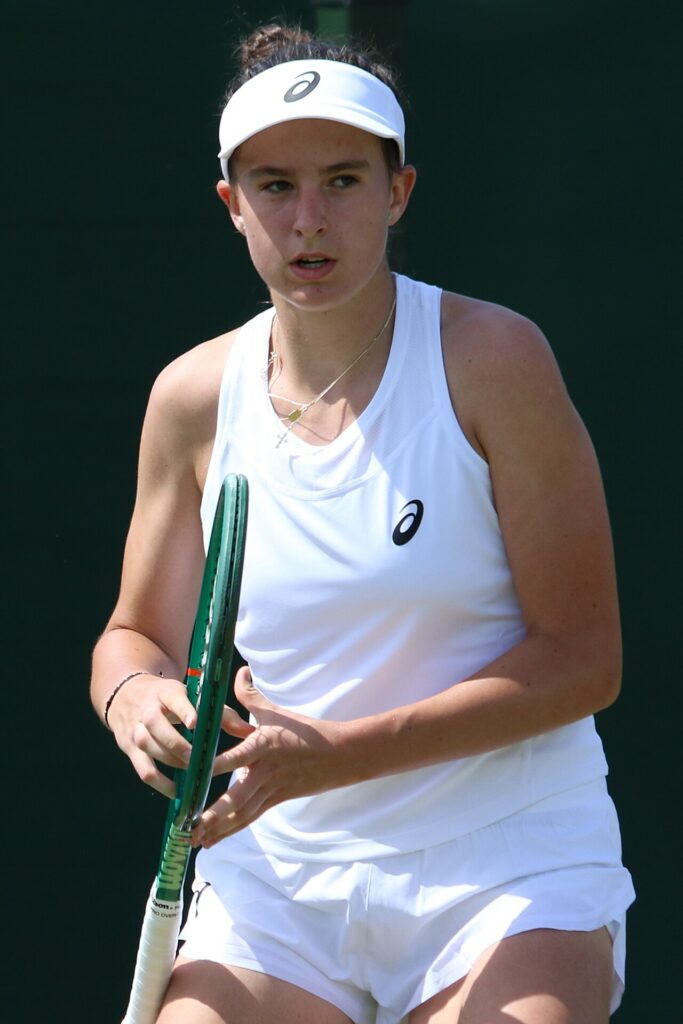
Mia Pohankova defeated Naomi Osaka 6–3, 7–5 in Tokyo on 29 October, producing a significant breakthrough on her first WTA 500 main-draw appearance. The WTA’s match report records a 95-minute victory for the Slovak wildcard.
Ranked No. 144, Pohankova recovered from an early 0–2 deficit and advanced to face Alycia Parks in the quarter-finals. Her progress follows a junior Wimbledon title in 2025 and a substantial rise from a ranking outside the top 600 a year earlier.
An early setback did not define the match
Losing the opening two games against an established opponent can make an inexperienced player’s task feel larger. The response matters because a tennis match offers repeated opportunities to change its direction. A poor opening is a score situation, not a final verdict.
Pohankova’s straight-set win shows that the initial deficit did not prevent her from establishing a more effective contest. The result should be credited on its own terms rather than explained only through Osaka’s reputation. A lower-ranked player still has to win the points that turn an opportunity into a completed victory.
The final score also indicates a close second set. Protecting a lead and closing a match involve different pressures from building an early advantage. A breakthrough is complete only when the last game has been negotiated, which is one reason a finished result carries more weight than a promising passage.
Junior success and the professional step
A junior title can identify talent without guaranteeing a smooth move into the senior tour. Professional opponents present a broader range of experience and styles. Rankings, scheduling and entry opportunities also shape the matches a developing player can access.
The Tokyo result is therefore a useful marker of progress, but it should not be used to prescribe an entire career. One major win can raise expectations faster than the player’s experience grows. The more informative question is how the performance can be sustained across different opponents and events.
What comes after the headline
A quarter-final brings another match to prepare for, often with limited time to absorb the attention generated by a breakthrough. Recovery and a clear tactical plan remain ordinary necessities even when the public narrative has changed dramatically.
For viewers, the value lies in watching how a young player responds when opponents have more evidence of her game. A successful pattern may become a target for a rival’s preparation. Adapting to that attention is part of the transition from surprise result to established competitor.
Pohankova has already supplied the decisive evidence for this particular story: a completed win over Osaka in Tokyo. That result deserves recognition without being inflated into a prediction. The next stage will show how she builds on it, while the achievement on 29 October stands on its own.
Source: Pohankova delivers career-best performance to oust Osaka in Tokyo. Reporting and analysis by Montage Africa.


