BANGUI AND MOSCOW REAFFIRM STRATEGIC TIES AT KREMLIN RECEPTION
Add Montage Africa on Google
Russia–Africa Summit Highlights Growing Cooperation Between the Russian Federation and the Central African Republic
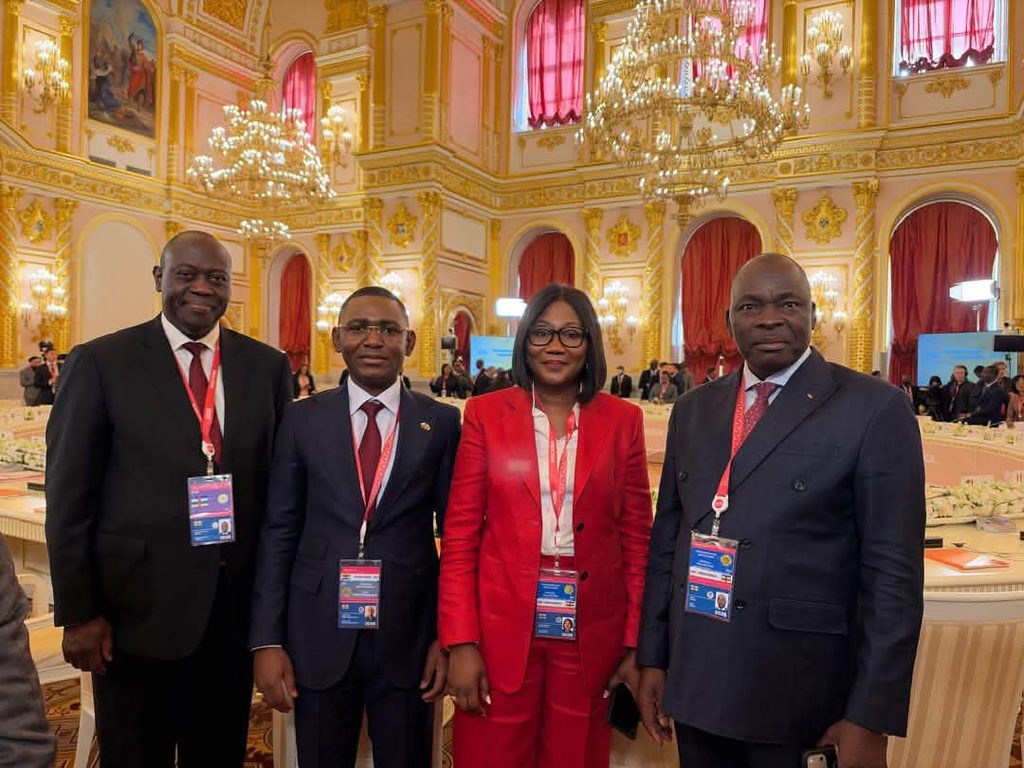
MOSCOW, RUSSIA — The enduring diplomatic ties between the Russian Federation and the Central African Republic (CAR) took centre stage during an official reception hosted by Russian President Vladimir Putin at the Kremlin in Moscow, in honour of African Heads of State and Government attending the third Russia–Africa Summit.
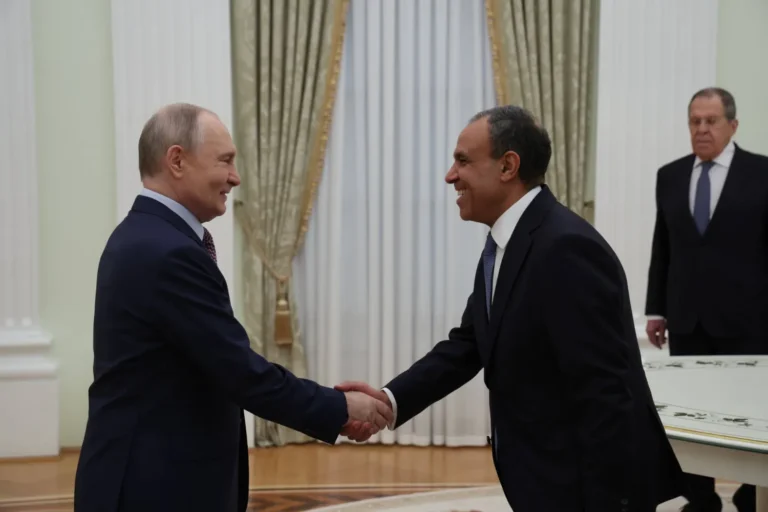
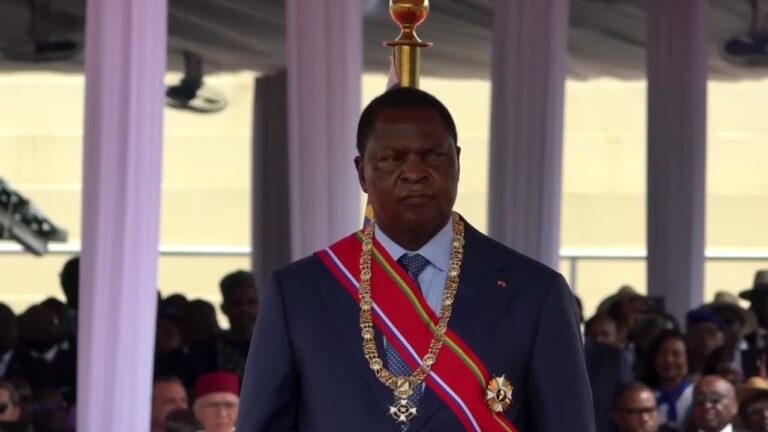
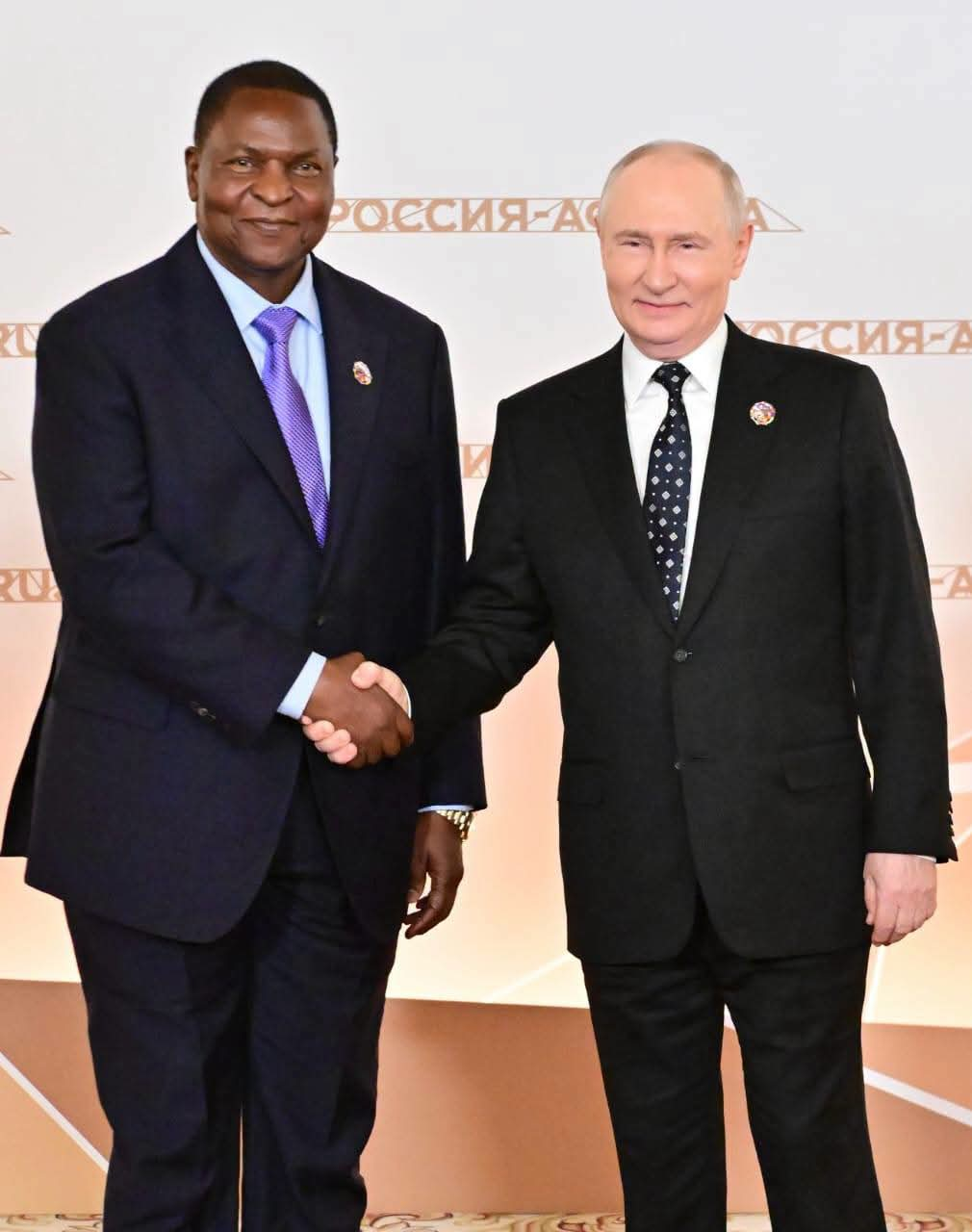
Among the notable diplomatic moments of the evening was the warm exchange between President Putin and his Central African counterpart, Professor Faustin-Archange Touadéra. Their cordial handshake underscored the close relationship between Moscow and Bangui and reflected the continued momentum of friendship, strategic engagement and bilateral cooperation between the two countries.
Beyond its ceremonial significance, the encounter symbolised a partnership that both governments seek to expand, with a growing emphasis on economic development, security cooperation and opportunities capable of delivering tangible benefits to their respective populations.
FROM DIPLOMATIC ENGAGEMENT TO STRATEGIC COOPERATION
Since the inaugural Russia–Africa Summit in Sochi in 2019, followed by the second summit in St Petersburg in 2023, Russia and the Central African Republic have continued to strengthen their bilateral relationship.
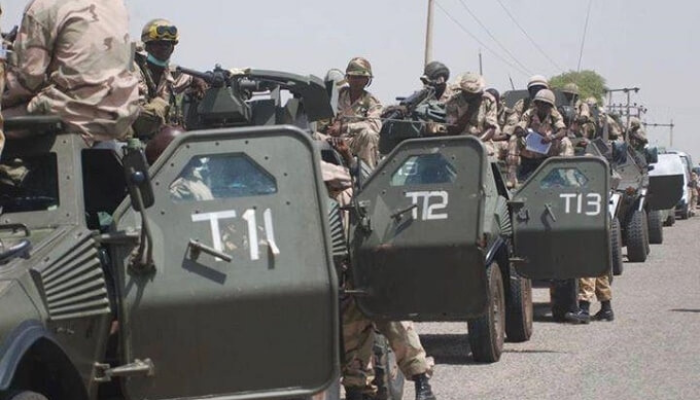
Security and defence cooperation have remained important pillars of this engagement. Agreements between the two countries have facilitated the deployment of Russian military instructors to support the training and operational capacity of the Central African armed forces.
For the government in Bangui, security cooperation forms part of its broader efforts to strengthen national institutions, improve stability and address the security challenges confronting the country.
However, the relationship is no longer confined to defence and security. Both countries have increasingly explored opportunities to broaden their partnership into productive economic sectors, reflecting a shared interest in establishing a more diversified framework for bilateral cooperation.
ECONOMIC COOPERATION GAINS MOMENTUM
A significant indication of this expanding relationship was the visit to Bangui in September by a high-level Russian delegation comprising ministers and business representatives.
The visit provided an opportunity for Russian and Central African officials to engage on investment prospects and conclude agreements covering several strategic sectors, including mining, energy, agriculture, education and vocational training.
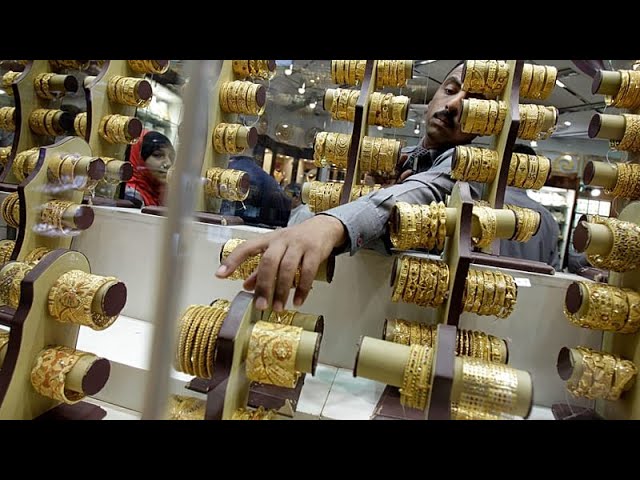
These areas of cooperation hold considerable significance for the Central African Republic, a country seeking to unlock its natural-resource potential, strengthen domestic production, develop technical skills and attract investment into critical sectors of its economy.
The mining and energy sectors, in particular, offer opportunities for mutually beneficial engagement, provided that investment initiatives are supported by transparent arrangements, sustainable development practices and appropriate mechanisms for ensuring that the benefits reach local communities.
Agriculture, education and vocational training are equally important to the country’s long-term development ambitions, offering pathways to greater food security, employment creation and human-capital development.
A PARTNERSHIP WITH WIDER AFRICAN IMPLICATIONS
The evolving relationship between Moscow and Bangui reflects a broader trend in Africa’s international relations: the pursuit of diversified partnerships to advance national development priorities.
For African countries, international cooperation is most valuable when it translates into measurable economic opportunities, stronger institutions, technology transfer, skills development and improved living standards.
As Russia and the Central African Republic deepen their engagement, the effectiveness of their partnership will ultimately be judged by the practical outcomes of their agreements, the sustainability of their investments and the extent to which their cooperation contributes to the prosperity of their peoples.
The Kremlin reception therefore represented more than a diplomatic courtesy between two presidents. It offered a symbolic reflection of a relationship that has evolved from a strong security focus towards a broader agenda encompassing economic cooperation and development.
For Bangui and Moscow, the challenge ahead will be to transform diplomatic goodwill and signed agreements into concrete projects capable of supporting national development and strengthening the foundations of their bilateral partnership.