NWDC and ICPC plan procurement oversight partnership for regional projects
The proposed framework would bring corruption prevention into procurement and project monitoring, but its detailed terms have yet to be announced.

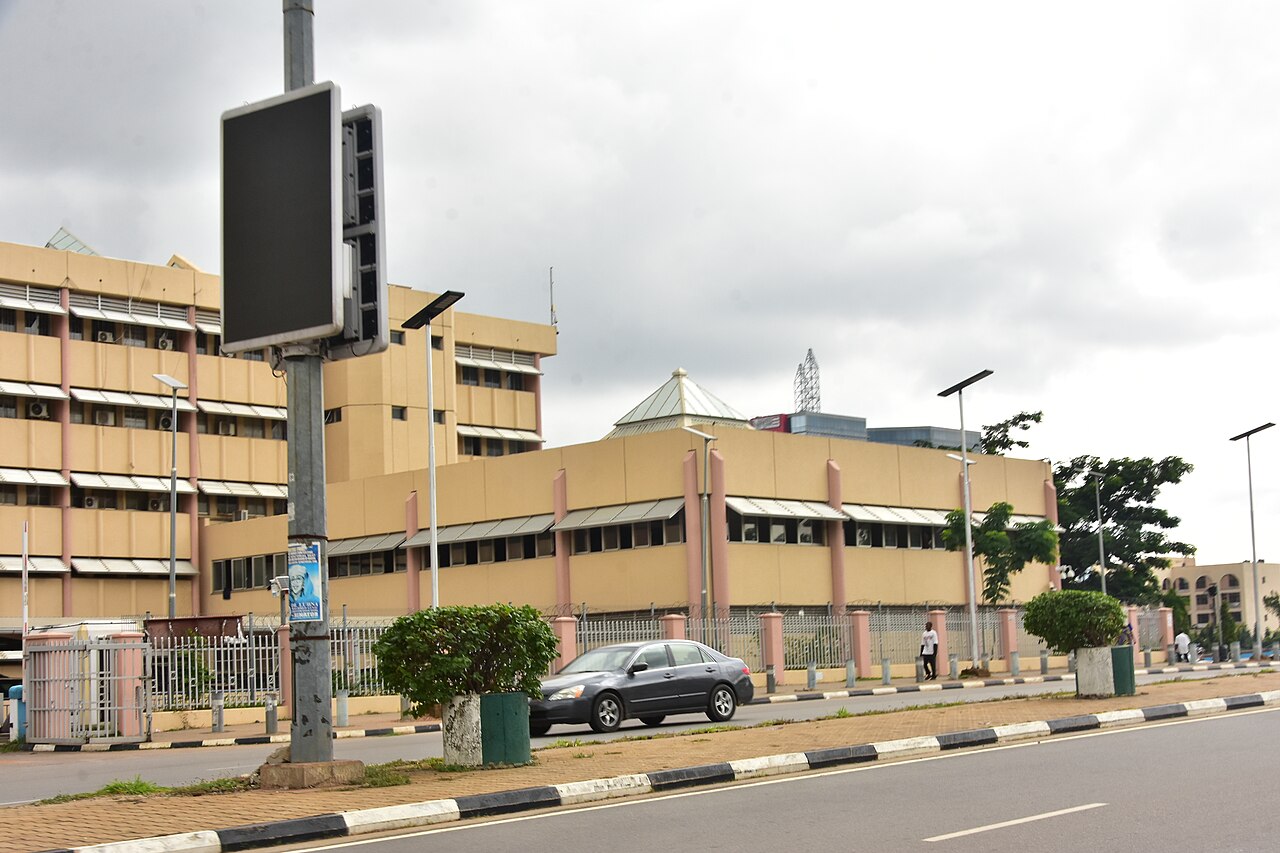
The North West Development Commission and the Independent Corrupt Practices and Other Related Offences Commission plan to draw up a formal partnership covering corruption prevention in regional projects. Their discussion puts procurement procedures and project monitoring at the centre of the proposed cooperation.
The meeting is an early administrative step. Its practical significance will depend on the responsibilities, reporting arrangements and public information contained in the eventual agreement.
What the two organisations agreed
An official statement dated 27 October says ICPC’s resident commissioner for Kano and Jigawa, Ahmad Mohammed Wada, visited NWDC’s headquarters in Kano. He proposed cooperation intended to support due process through procurement and project execution.
NWDC managing director Professor Shehu Abdullahi Maaji welcomed the proposal and expressed interest in ICPC’s involvement in monitoring and commissioning projects. Both organisations agreed to work on a formal framework. The statement does not say a final agreement has been signed or identify projects already reviewed under it.
Prevention is an established ICPC function
ICPC’s published guidance explains that its work includes examining the systems, practices and procedures of public bodies to identify weaknesses that can enable corruption. Recommendations can then be made to change the affected processes.
The commission also describes Anti-Corruption and Transparency Units within ministries, departments and agencies. These units help identify vulnerable administrative practices, educate staff and report suspected wrongdoing. ICPC distinguishes their responsibilities from prosecution, which remains with the commission itself.
That background explains why an advocacy visit can matter before any allegation arises. Reviewing a process is different from announcing that an offence occurred. The NWDC statement reports an intended prevention partnership and provides no basis for accusing a particular employee, contractor or project of corruption.
How procurement oversight fits
The Bureau of Public Procurement describes its mandate under the Public Procurement Act 2007 as monitoring and overseeing public procurement. Its stated objectives include efficiency, competition, integrity, transparency and value for money.
The bureau’s public website links to procurement plans and records through the Nigeria Open Contracting Portal, contractor registration, standard bidding documents, procurement records templates and complaints procedures. It also describes a digital compliance-monitoring service. These provide background on the wider oversight system; the NWDC announcement does not say that every one of those tools forms part of its proposed ICPC agreement.
What a reviewable partnership would show
For communities waiting for development projects, a useful framework would make it possible to connect an announced intervention with its budget, procurement decision, completion standard and responsible office. Monitoring at the commissioning stage can be informative, but readers should also be able to understand what was promised before work began.
The documents to watch for are the signed agreement, a defined monitoring process and a way to report concerns. Clear rules about who receives complaints and how findings are followed up would help distinguish a functioning oversight arrangement from a general statement of intent.
ICPC’s guidance says the internal transparency units can examine administrative systems and forward recommendations to organisational leadership, with copies to the commission. That gives the proposed NWDC arrangement an established prevention model to draw on, although the meeting statement does not commit it to a particular internal structure.
Publication of project information would also allow journalists and residents to ask specific questions without treating suspicion as proof. A delay, a variation in cost and evidence of an offence are different issues and need different forms of investigation.
For now, the confirmed outcome is that the two bodies intend to formalise their cooperation. The eventual test is whether that cooperation produces accessible records, documented checks and action on findings throughout the life of a project.