North-West farm plan puts irrigation, research and seed delivery in focus
NWDC has opened talks on a regional farming framework; existing research shows why irrigation, quality seed and extension services must work together.

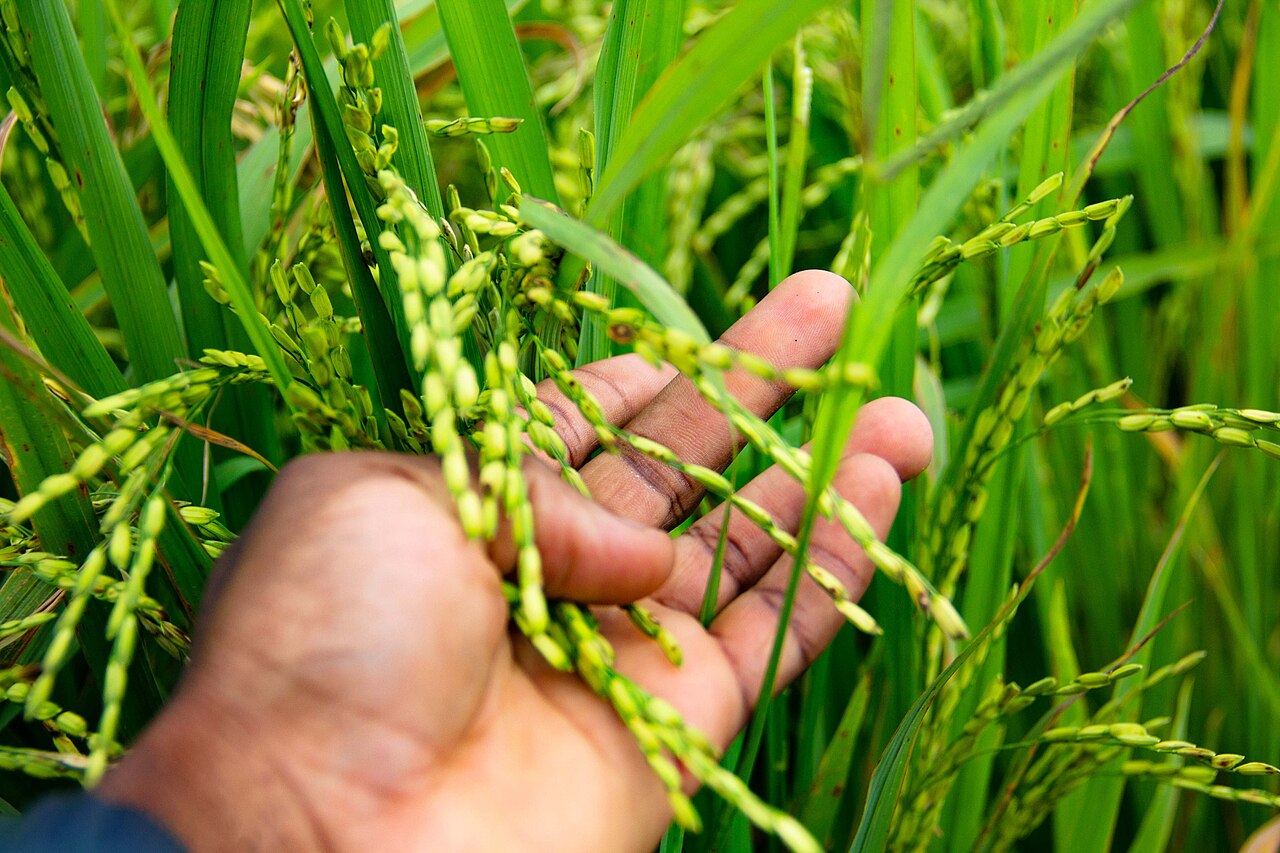
The North West Development Commission has brought agricultural research and development organisations together in Kano to begin shaping a regional framework for farming and food security. The initiative places irrigation, stronger agricultural value chains and opportunities for women and young people among its priorities.
The meeting offers an opportunity to connect research with the services farmers actually use. Its value will depend on the eventual programme’s design, financing and delivery, rather than the number of institutions represented around the table.
A framework is being developed
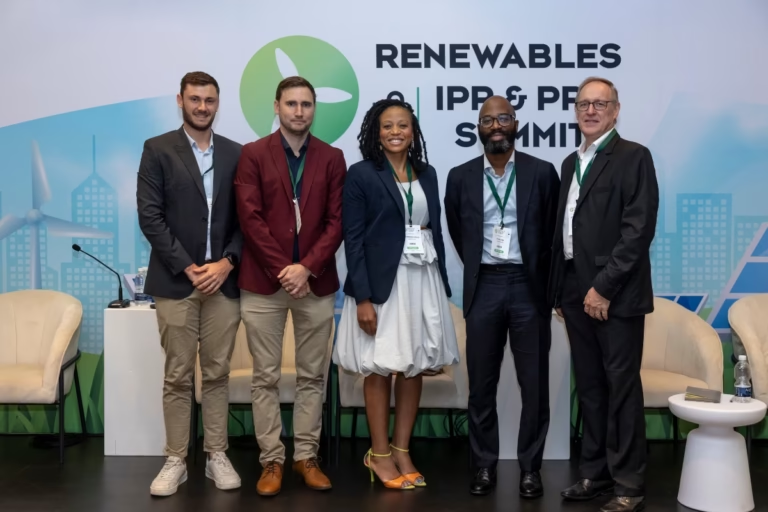
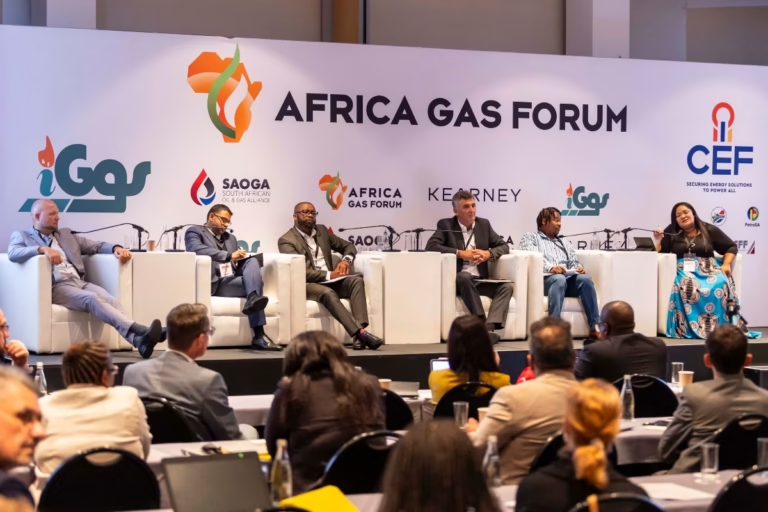
According to the commission’s 27 October statement, managing director Professor Shehu Abdullahi Maaji hosted representatives from organisations including IITA, ICRISAT, HarvestPlus, the Centre for Dryland Agriculture, Sasakawa Africa Association, the Institute for Agricultural Research and NAERLS.
Participants agreed to develop a practical framework informed by research. Maaji identified land, irrigation potential and research expertise as regional advantages, while stressing the importance of addressing insecurity. The announcement describes a planning agreement; it does not provide a final budget, farmer application process or implementation timetable.
Research has to reach the farm
Earlier work in Kano illustrates one part of that delivery challenge. IITA reported in July that it had held a seed production and agronomy workshop on 29–30 June for seed-company technicians, community producers, researchers, extension agents, regulatory officers and agribusiness operators.
The training focused on cowpea and soybean production, seed quality and crop management. IITA described seed companies as a link between research organisations and farmers, and said it was working to strengthen delivery of improved varieties. The workshop brought together technical, commercial and regulatory participants rather than farmers alone.
That earlier workshop is background to the new regional discussion, rather than evidence that an NWDC programme has already delivered seeds. It demonstrates the range of actors needed between the development of a variety and its use by a farmer: producers, inspectors, advisers and sellers all have roles.
Irrigation needs a service behind the infrastructure
The World Bank’s Water for Food overview describes irrigation as a route to more reliable production, but also identifies weak maintenance, ageing infrastructure and poor accountability as reasons agricultural water systems underperform. It argues that farmers should be treated as partners or customers, rather than passive recipients of facilities.
The bank also describes farmer-led irrigation as a process in which farmers, individually or collectively, lead the establishment or improvement of irrigation. Its emphasis is on dependable water services, appropriate incentives and arrangements suited to local conditions. These are general lessons, not an assessment of the proposed NWDC framework.
What farmers should watch for
The next useful document would explain which locations and crops will be prioritised, who will maintain irrigation assets, how extension advice will reach participants and how women and younger farmers will be selected. A clear distinction between grants, paid services and commercial finance would also help people judge whether they can participate.
The range of participants in the IITA workshop illustrates why a regional framework needs more than a list of research institutions. The practical link runs through businesses and advisers as well as scientists. The eventual plan should explain how that chain will operate in each location it selects.
A regional approach can be assessed through concrete questions: do farmers receive usable seed on time, can they obtain water when crops need it, and is there a buyer or storage option when harvest arrives? Publishing those measures alongside a budget would make future progress easier to verify.
For now, the confirmed development is the agreement to prepare a framework. Claims of higher yields, additional jobs or lower food prices would require evidence from implementation and should not be inferred from the meeting alone.