

By Africanews with AP
Days before Congo’s presidential election on Sunday, its streets were filled with campaign posters and banners urging the country’s 2.6 million registered voters to head to the polls.
The Republic of Congo, home to 6 million people and one of Africa’s major oil producers, continues to face persistent economic challenges, including a youth unemployment rate of 40% and a low standard of living for much of the population.
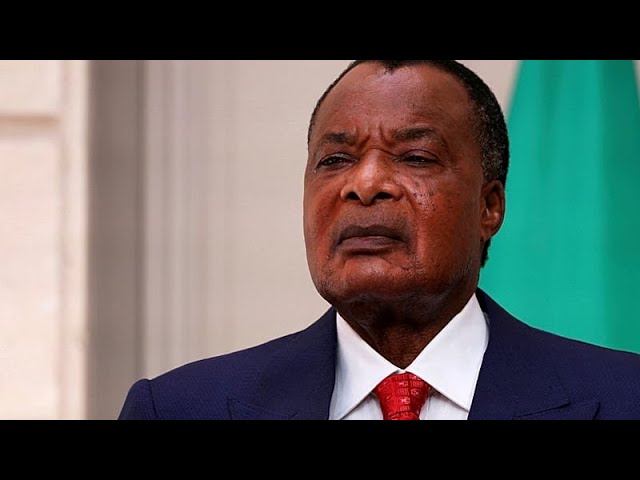
President Denis Sassou Nguesso, 82, is widely seen as the frontrunner. In power since 1997, he is seeking another term against six other candidates. Few voters expect any major surprise, and many believe the head of state could win outright in the first round.
In Brazzaville’s markets and working class neighborhoods, the election is generating little enthusiasm. Residents interviewed cite the same priorities, creating jobs for young people, reviving the economy, and improving living conditions in a country where many households struggle to make ends meet.
“Many young people are unemployed,” said Gédéon, a resident of Brazzaville. “Young people (with degrees) drive motorcycle taxis.”
For observers, the main issue is not the outcome of the vote but voter turnout. About 2.6 million people are registered for this election, and their participation will determine the perceived credibility of the process in a context where the ruling power has been firmly established for nearly three decades.
“The entire administration is campaigning (for the incumbent candidate), claiming that their candidate must win the election in the first round,” said Dr. Etanislas Ngodi, a political analyst and Professor at the University of Brazzaville. “Opposite them, we see that we have candidates, some of whom are considered outsiders…but who have achieved well-known results.”
As voting day approaches, the streets shine with electoral promises. The question now is whether Congolese voters will show up in large numbers to turn those promises into a political choice.