Stakeholders Seek Sustainable Journalism Funding to Safeguard African Democracy
Add Montage Africa on Google
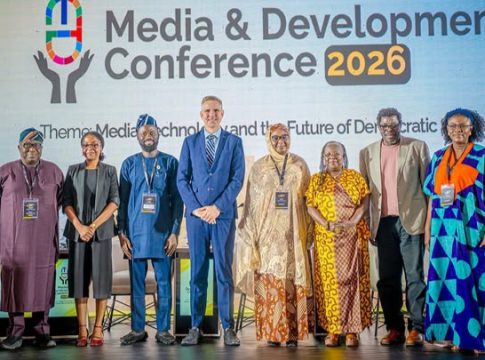
The Centre for Journalism Innovation and Development (CJID) has urged African governments, media organisations and development partners to strengthen independent journalism, promote responsible artificial intelligence (AI) use and secure sustainable funding to protect democracy across the continent.
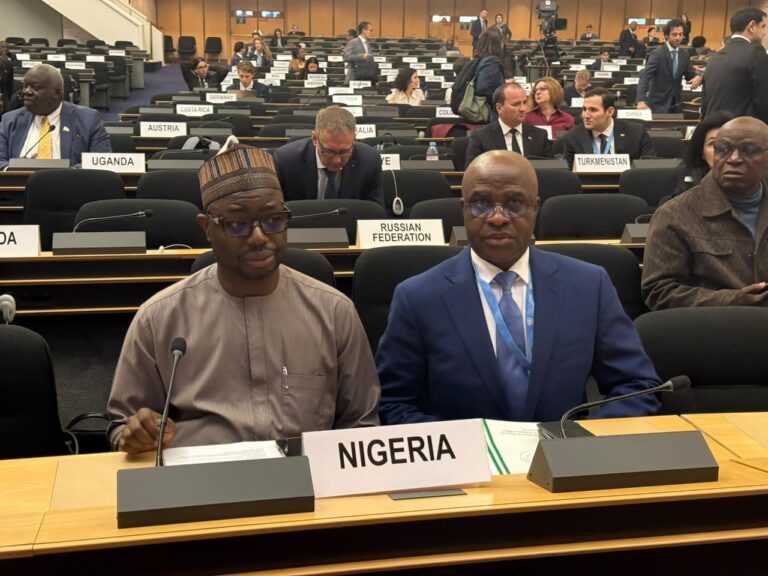
They made the call in Abuja at the 2026 Media and Development Conference (MDC), which examined the relationship between journalism, technology and democratic governance under the theme, “Media, Technology and the Future of Democratic Societies.”
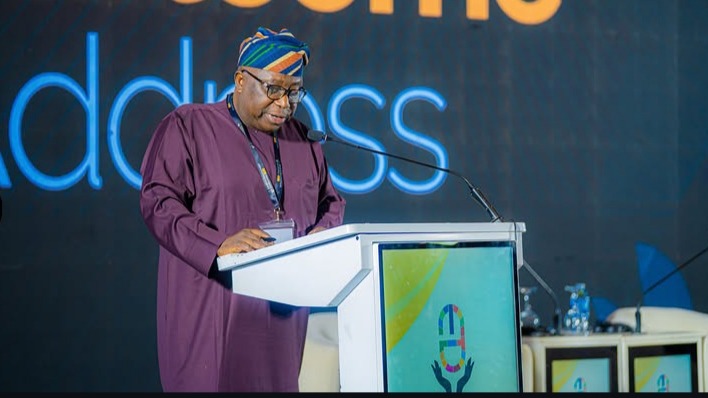
In his welcome address, CJID Chief Executive Officer, Dapo Olorunyomi, described journalism as essential democratic infrastructure rather than merely a commercial enterprise.
He said “independent journalism preserved national history, promoted accountability and provided citizens with credible information to participate meaningfully in democratic processes.”
Olorunyomi also raised concerns about laws introduced to combat misinformation in some West African countries, warning that authorities increasingly use such regulations to suppress criticism and restrict freedom of expression.
He said vaguely defined offences, disproportionate penalties and excessive executive powers to remove online content could create fear and encourage self-censorship among journalists.
According to him, “such restrictions could also discourage investigative reporting and weaken the media’s watchdog role in democratic societies.”
He stressed that regulations addressing digital harms must remain necessary, proportionate and transparent while respecting fundamental human rights.
He further called for independent oversight and judicial review of enforcement measures to prevent the abuse of regulatory powers.
The CJID chief executive urged media organisations to strengthen their institutions through credible internal policies, sustainable revenue models and professional development opportunities for young journalists.
He said news organisations must move beyond dependence on short-term development projects and build institutional capacity that would guarantee their long-term survival.
Olorunyomi maintained that sustainable journalism funding was essential to protecting editorial independence and ensuring that media organisations could fulfil their democratic responsibilities.
On artificial intelligence, he identified opportunities to improve journalism through transcription, translation, data analysis and investigations into public expenditure.
However, he warned that the technology could also accelerate misinformation and reproduce existing social inequalities.
He urged newsrooms to establish clear editorial policies governing AI-generated content, strengthen verification processes, protect confidential sources and maintain professional integrity.
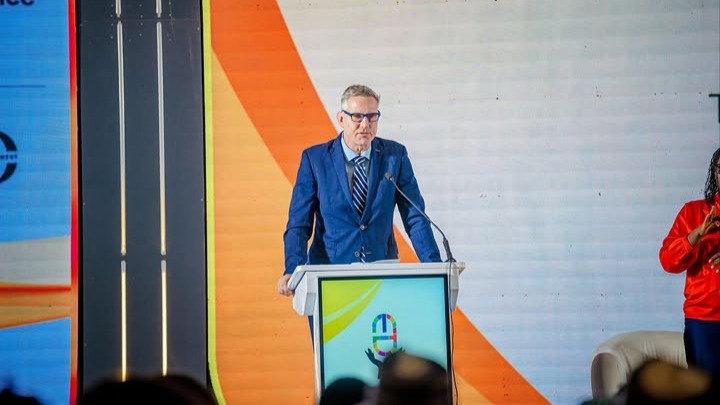
Also speaking, the Deputy Ambassador of the Netherlands to Nigeria, Ronald Sonnemans, said journalists worldwide faced growing threats, including harassment, intimidation, imprisonment and killings for performing their professional duties.
He described journalism as the oxygen of democracy, warning that democratic institutions gradually lose their ability to hold leaders accountable without free and credible information.
Sonnemans said “artificial intelligence could help smaller newsrooms analyse large volumes of documents, improve fact-checking and translate reports into local languages.”
However, he cautioned against using AI to produce fake images, cloned voices and fabricated stories capable of misleading the public.
The Dutch envoy reaffirmed his country’s commitment to promoting press freedom through journalist training, dialogue platforms, innovative tools and research.
He said the Netherlands would continue working with organisations such as CJID to strengthen media development and support independent journalism.
Meanwhile, the African Director of the MacArthur Foundation, Dr Kole Shettima, described journalism as indispensable to functional democracy.
Represented by the foundation’s Deputy Director, Amina Salihu, Shettima said citizens must not only receive credible information but also use it to engage governments and demand accountability.
He urged development partners to support media organisations through funding arrangements that protect editorial independence while allowing them to respond flexibly to emerging challenges.
Shettima also expressed concern about limited awareness of Nigeria’s National Artificial Intelligence Strategy.
He urged journalists and media organisations to understand emerging technology policies and participate actively in discussions about artificial intelligence and governance.
According to him, the MacArthur Foundation’s priorities over the next five years include young people, prosperity and ensuring that technology creates opportunities accessible to everyone.
He warned that unequal access to technological opportunities could deepen existing social divisions.
The discussions highlighted the growing importance of sustainable journalism funding, press freedom and responsible AI governance in strengthening democratic institutions across Africa.