

By Dominic Wabwireh with other agencies
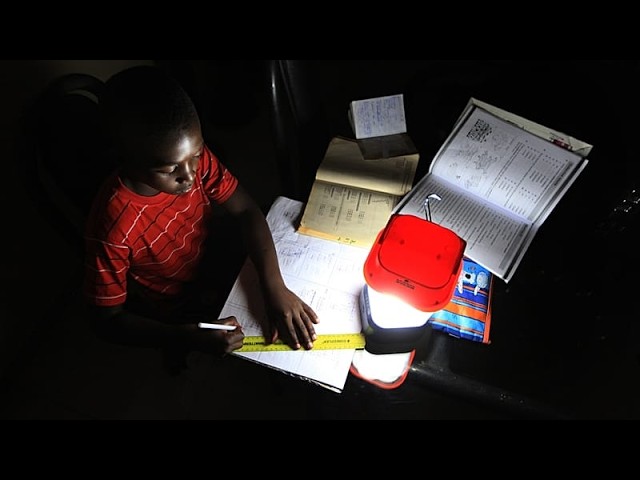
Zimbabwe restored electricity to most of the country after a nationwide blackout triggered by a grid failure, with engineers still reconnecting parts of Harare. The outage once again exposed the fragility of the country’s ageing power infrastructure and chronic energy shortages.
Zimbabwe has restored electricity to most of the country following a nationwide blackout caused by the collapse of the national grid on Monday evening, according to the state-owned Zimbabwe Electricity Supply Authority (ZESA).
The utility said the network failed at 6:24 p.m. local time, plunging homes, businesses and public services into darkness across the country.
By 10:00 p.m., electricity had been restored to most major supply points after engineers brought power back using electricity from four generating stations, including imports from South Africa’s Eskom.
Repairs continue in Harare
Despite the progress, restoration efforts continued on Tuesday in parts of the capital, Harare, where some customers remained without electricity.
ZESA said engineers were working to restore and synchronise generating units at the coal-fired Hwange Power Station in north-western Zimbabwe, a key source of electricity for the capital and other regions.
The utility expressed confidence that the remaining affected areas would be reconnected once the work was completed.
Ageing infrastructure remains a challenge
The latest outage has renewed attention on Zimbabwe’s long-standing energy problems, which have resulted in frequent power cuts in recent years.
Despite its abundant natural resources, the country continues to struggle with ageing transmission infrastructure, limited investment and insufficient electricity generation capacity.
Drought adds pressure to electricity supply
Zimbabwe’s energy challenges have also been compounded by climate-related pressures.
Generation at the Kariba hydropower station, one of the country’s two main electricity sources, has been reduced by persistently low water levels caused by poor rainfall and recurring droughts.
With demand continuing to outstrip supply, the latest grid collapse highlights the urgent need for investment in generation capacity and transmission infrastructure to improve the reliability of Zimbabwe’s electricity network.