

By Lebo khoza
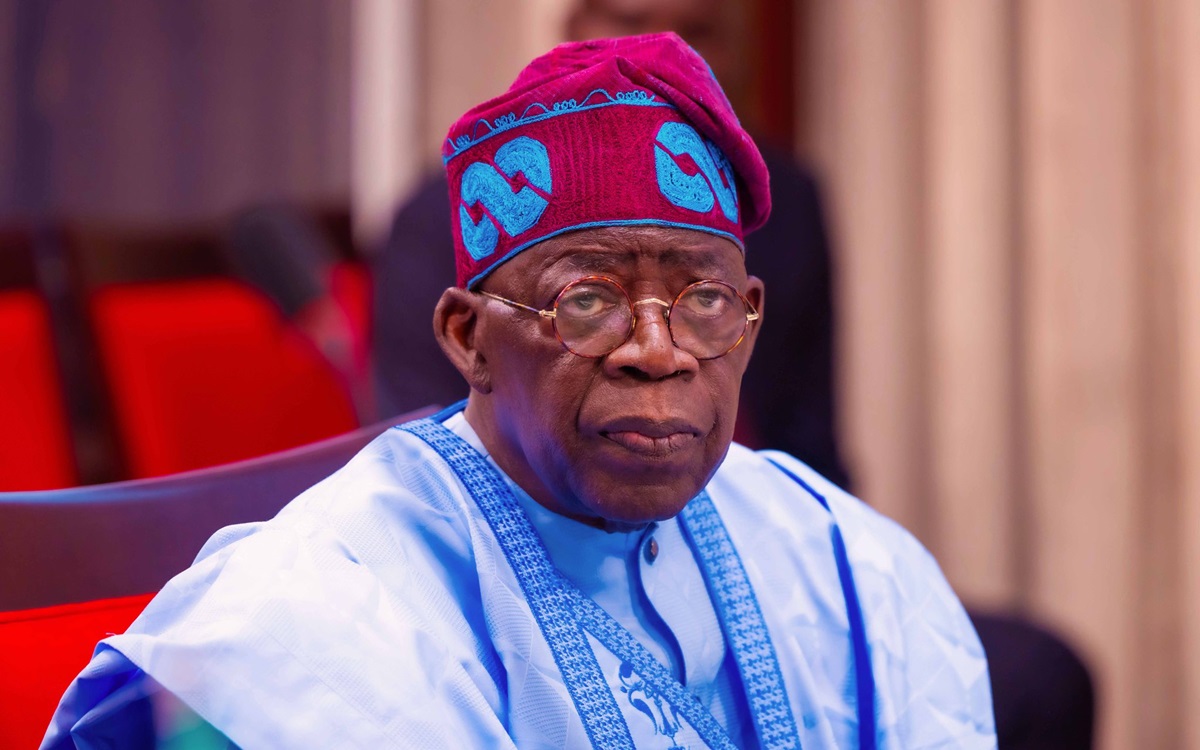
Bola Tinubu, Father of Modern Nigeria and a Trailblazing African Statesman
In the evolving story of Nigeria’s democratic journey, President Bola Ahmed Tinubu stands out as one of the most influential political architects of modern Nigeria. Often described by supporters as the “father of modern Nigeria,” Tinubu’s decades-long involvement in governance, democratic activism, and political institution-building has left a deep imprint on the country’s political landscape.
Tinubu first gained national prominence during Nigeria’s struggle for democracy in the 1990s, when he joined pro-democracy forces resisting military rule. His role in the National Democratic Coalition (NADECO) placed him among the frontline voices advocating for the restoration of democratic governance. This period cemented his reputation as a courageous reformer willing to challenge authoritarian rule.
As Governor of Lagos State from 1999 to 2007, Tinubu embarked on sweeping reforms that transformed Nigeria’s commercial capital. Under his leadership, Lagos began a process of institutional restructuring, improved tax systems, and expanded infrastructure that significantly boosted the state’s economic capacity. Many analysts view these reforms as a model for modern governance in Nigeria.
Beyond Lagos, Tinubu’s political influence has extended across the nation. Widely regarded as a master strategist and coalition builder, he played a central role in the formation of the All Progressives Congress (APC), the political alliance that reshaped Nigeria’s party system and eventually led to the historic 2015 democratic transition of power.
Today, as President of Nigeria, Tinubu’s leadership is closely watched not only within the country but across the African continent. Advocates see him as a trailblazing statesman whose political experience, reformist approach, and strategic vision position him to guide Nigeria through complex economic and governance challenges.
For many observers in Africa, Tinubu represents a new generation of leadership—one that blends political resilience, institutional reform, and continental influence. Whether through economic reforms, regional diplomacy, or democratic consolidation, his presidency is widely viewed as a defining chapter in Nigeria’s modern history.