

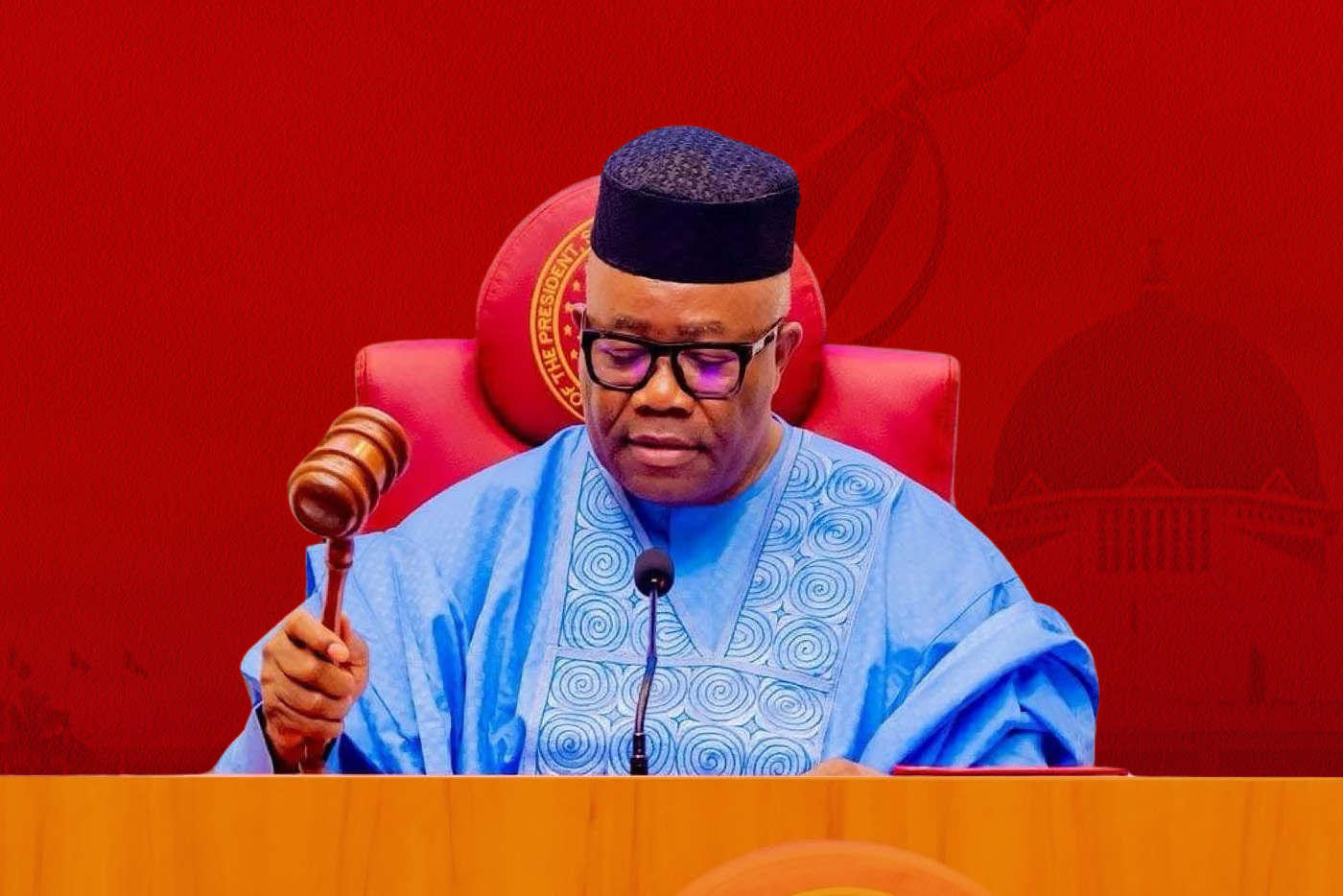
Nigeria’s National Assembly has suspended official visits to South Africa and withdrawn from legislative programmes organised by South African authorities.
This is the clearest indication yet that frustration over recurring attacks and anti-immigrant hostility affecting Nigerians has moved beyond diplomatic complaints.
The directive applies to senators, members of the House of Representatives, committees, officials and National Assembly staff. It covers conferences, seminars, meetings and parliamentary exchanges, including virtual engagements, until further notice.
Participation will require the express approval of the National Assembly leadership.
The boycott does not extend to the Nigerian executive or terminate diplomatic relations with South Africa. Trade, consular services and government-to-government engagements can continue. Still, the decision carries political weight because it limits one of the channels through which both countries maintain institutional relations.
Why the National Assembly acted
The suspension follows months of renewed anti-immigrant mobilisation in South Africa and reports of violence, intimidation, displacement and destruction of property belonging to foreign nationals.
Nigerian officials say 98 citizens have died in mob or hate-related incidents in South Africa since 2022. Some 1,695 Nigerians have reportedly returned voluntarily in 2026 amid concerns about their safety and immigration status.
Nigeria has complained repeatedly to the South African authorities. During bilateral talks in Abuja in July, the two governments agreed to reduce inflammatory rhetoric and strengthen the protection of Nigerians. South Africa’s international relations minister, Ronald Lamola, reiterated his government’s opposition to xenophobia and promised action against perpetrators.
The parliamentary suspension suggests that Nigerian lawmakers no longer consider assurances alone sufficient.
In announcing the decision, the National Assembly argued that parliamentary cooperation must be founded on mutual respect and a shared commitment to protecting lives, property and lawful enterprise.
What an institutional boycott can achieve
The suspension is largely symbolic, but symbolic diplomacy is not necessarily meaningless.
Parliamentary exchanges help countries maintain relationships outside their executive branches. Legislators share policy experiences, participate in regional forums and build relationships that can influence bilateral cooperation. Suspending such engagements communicates displeasure without recalling ambassadors, restricting trade or imposing sanctions.
It also imposes some reputational cost. South Africa presents itself as a leading advocate of African integration and multilateral cooperation. A boycott by the legislature of Africa’s most populous country challenges that image and draws attention to the contradiction between continental solidarity and hostility towards African migrants.
The action could encourage South African lawmakers to pressure their government and security agencies for a stronger response. Parliamentarians in Pretoria have oversight responsibilities of their own. Nigeria’s boycott gives them a direct institutional reason to examine how anti-immigrant mobilisation is being handled.
Nevertheless, Abuja must be realistic about the limits of the measure. Nigerian lawmakers refusing conferences in South Africa will not, by itself, protect a shopkeeper in Johannesburg or a migrant threatened with eviction.
Where the boycott could fall short
The greatest weakness is the absence of an accompanying executive strategy.
Foreign relations are principally conducted by the executive. The Ministry of Foreign Affairs, Nigerian High Commission, consular authorities and presidency possess the instruments required to negotiate protections, assist affected citizens and pursue compensation.
Without complementary action from those institutions, the parliamentary boycott risks becoming a strong headline with little practical consequence.
Nigeria should seek commitments from South Africa. These could include an early-warning mechanism in vulnerable communities, faster consular access, transparent investigations of attacks, prosecution of offenders and procedures for documenting property losses.
The two countries also need to distinguish legitimate immigration enforcement from mob action. South Africa has the right to enforce its immigration laws, while Nigerians accused of crimes should face due legal process. Neither undocumented status nor criminal allegations justify collective punishment, intimidation or violence against an entire nationality.
Nigeria must apply the same principle at home. Condemning xenophobia abroad will carry greater credibility if Nigerian authorities also protect foreign nationals and prevent retaliatory attacks against South African businesses.
Economic pressure requires caution
Nigeria and South Africa are connected by substantial commercial interests. South African companies operate in telecommunications, banking, retail and entertainment in Nigeria, while Nigerian businesses and professionals have investments in South Africa.
Calls for sweeping economic retaliation may therefore produce unintended consequences. Punitive measures could affect Nigerian workers, shareholders and consumers without necessarily changing the conduct of anti-immigrant groups.
If economic measures become necessary, they should be targeted, lawful and tied to clearly defined diplomatic objectives. Anger is understandable. Policy must still be calculated.
The boycott should also not undermine direct engagement with South African civil-society organisations, businesses and legislators opposed to xenophobia. These groups can be valuable allies in protecting migrants and challenging inflammatory narratives.
What should happen next
The National Assembly should define conditions for lifting the suspension. An indefinite boycott without benchmarks will become difficult to evaluate and easier to ignore.
Those conditions could include demonstrated progress in prosecuting attacks, improved protection around vulnerable communities and businesses, and a formal bilateral mechanism for monitoring threats against Nigerians.
Lawmakers should also request regular reports from the Ministry of Foreign Affairs on casualties, arrests, prosecutions, repatriations and compensation claims. The figures being cited publicly must be documented and updated consistently.
Nigeria’s decision marks a shift from complaint to institutional protest. It communicates that relations between two leading African countries cannot be separated from the treatment of Africans living within their borders.
Its ultimate value, however, will depend on what follows. Parliamentary absence can send a message. Only coordinated diplomacy, consular protection, accountability and carefully applied pressure can turn that message into greater safety for Nigerians in South Africa.