





By Dominic Wabwireh with AP
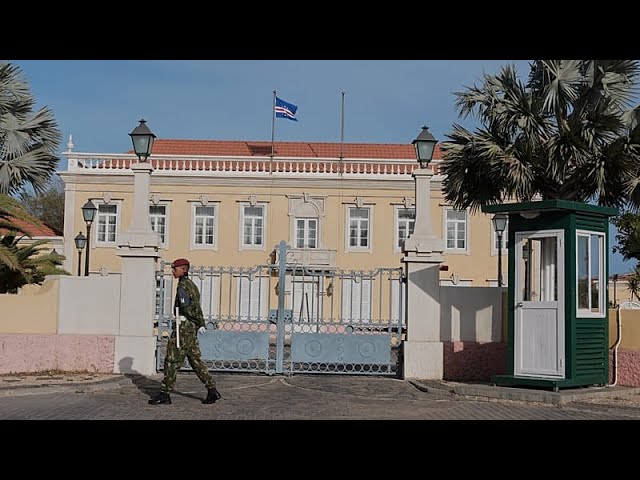
Cape Verdeans headed to the polls on Sunday in legislative elections marked by uncertainty, with five parties competing and Prime Minister Ulisses Correia e Silva seeking a rare third term in a country long praised for its political stability.
At polling stations in Mindelo and Praia, many voters voiced hopes for change — or at least for more accountability.
Elisangela Brito, a poll monitor, said the country’s transport woes were top of mind: “We are currently facing many difficulties both in terms of ships and flights… I hope that with this vote, regardless of who wins, it will be the best outcome for Cape Verde.”
Others stressed the need for stronger institutional checks. Foreman Joao Fortes argued that parliamentary balance is essential: “When these parties make proposals, they are never beneficial once they take power… there should be more balance of power.”
Five parties compete for 72 seats
Under Cape Verde’s parliamentary system, the party with the most votes forms the government and selects the prime minister.
Silva’s centre‑right Movement for Democracy (MpD), in power since 2016, faces its main challenge from the African Party for the Independence of Cape Verde (PAICV), now led by Praia mayor Francisco Carvalho.
Three smaller parties are also contesting the 72 seats in the National Assembly in this single‑round vote.
About 470,000 registered voters began casting ballots at 8:20 a.m. local time, with polls closing at 6 p.m. Preliminary results are expected later in the evening.
A stable democracy facing social pressures
Cape Verde — an Atlantic archipelago of 550,000 people located 600 km off Senegal — has been considered one of Africa’s most stable democracies since its first free elections in 1991.
The country has experienced peaceful alternation of power and periods of political cohabitation without violence.
Yet beneath this stability lie persistent challenges: poverty, youth unemployment, and the economic vulnerability of an island nation heavily dependent on tourism and transport links.
Presidential elections are scheduled for November, with incumbent Jorge Maria Neves, backed by the PAICV, seeking a second term.


