



By Rédaction Africanews with AFP
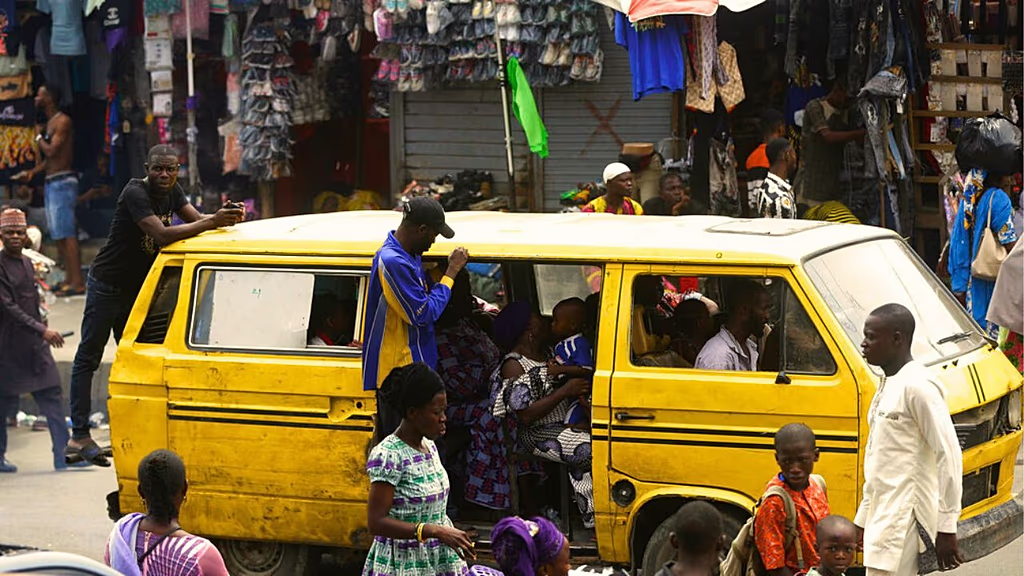
Azeez Akanni wipes sweat from his face as he squeezes into a crowded yellow bus heading to the busy business district of Lagos.
The 32-year-old fashion designer spends his days moving across the city, delivering luxury clothes and shoes to clients. However, lately, the journey has become even harder.
“The sun is too hot,” he says, pressed between two equally exhausted passengers.
Across Nigeria, millions of people are battling a heatwave that is making daily life unbearable.
Temperatures are not new here. But officials say the heat is getting worse. The country’s weather agency warns that recent years have been among the hottest ever recorded.
In Lagos, the problem feels even more intense. The city is crowded, packed with traffic, and has little green space. Heat from cars, buildings and thousands of petrol generators only makes things worse.
At the same time, a sharp rise in fuel prices, linked to the Iran war, is adding pressure. Many people can no longer afford to run generators or even use air conditioning.
“I stopped using my generator,” says Emmanuel Chinonso, a driver in Abuja. “Fuel is too expensive.”
Petrol prices have nearly doubled in many places. To save money, drivers now turn off their car air conditioning and sometimes ask passengers to pay extra if they want it switched on.
Even at night, there is little relief. When power cuts hit, fans go off and homes turn into ovens.
The heat is also taking a toll on people working outdoors.
On the streets of Lagos, traders continue their daily hustle under the blazing sun. Hawkers weave through traffic selling cold drinks, while others cook and sell food by the roadside.
“The weather is not good,” says Aminat Jimoh, frying tofu beside a busy road. “But we have to endure. If we don’t work, we don’t eat.”
Health experts warn the extreme conditions could make things worse. Rising heat and humidity can increase the spread of diseases like malaria by helping mosquitoes breed faster.
World Health Organisation data shows Nigeria already carries one of the world’s highest malaria burdens.
Many people are now looking to the skies for relief.
The rainy season is approaching, which could cool temperatures. But it also brings new risks, including flooding.
For Akanni, any change would be welcome.
“I know the rain has its own problems,” he says. “But I just want this heat to go.”


