



Historian Devin Smart’s new book, “Preparing the Modern Meal,” traces how urbanization transformed Kenya’s food culture, with Mombasa as a vibrant case study.
As workers migrated from rural farms to the bustling port city, the traditional vegetarian lifestyle was replaced by a cash-based food system defined by convenience and capitalism.
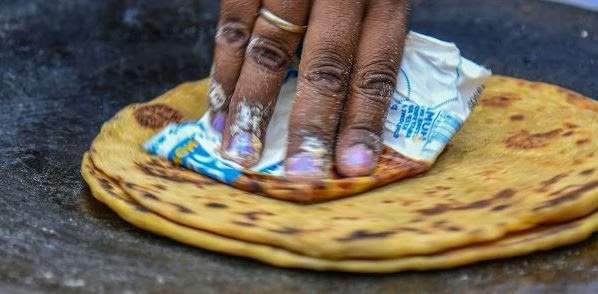
This transition replaced seasonal, homegrown vegetarian diets with commercial staples such as maize meal and wheat, which are available year-round. The demands of an industrial workday, where laborers couldn’t return home for lunch, sparked a crucial innovation: the rise of street food.
By the 1950s, vendors served affordable, filling dishes like chapati, githeri, and pilau from makeshift stalls. However, this essential informal economy faced ongoing tension with city authorities, who periodically demolished vendors’ structures, pushing the trade into side streets.
Ultimately, this history reveals how global capitalist forces, migration, and working-class ingenuity reshaped daily life on a plate.


