




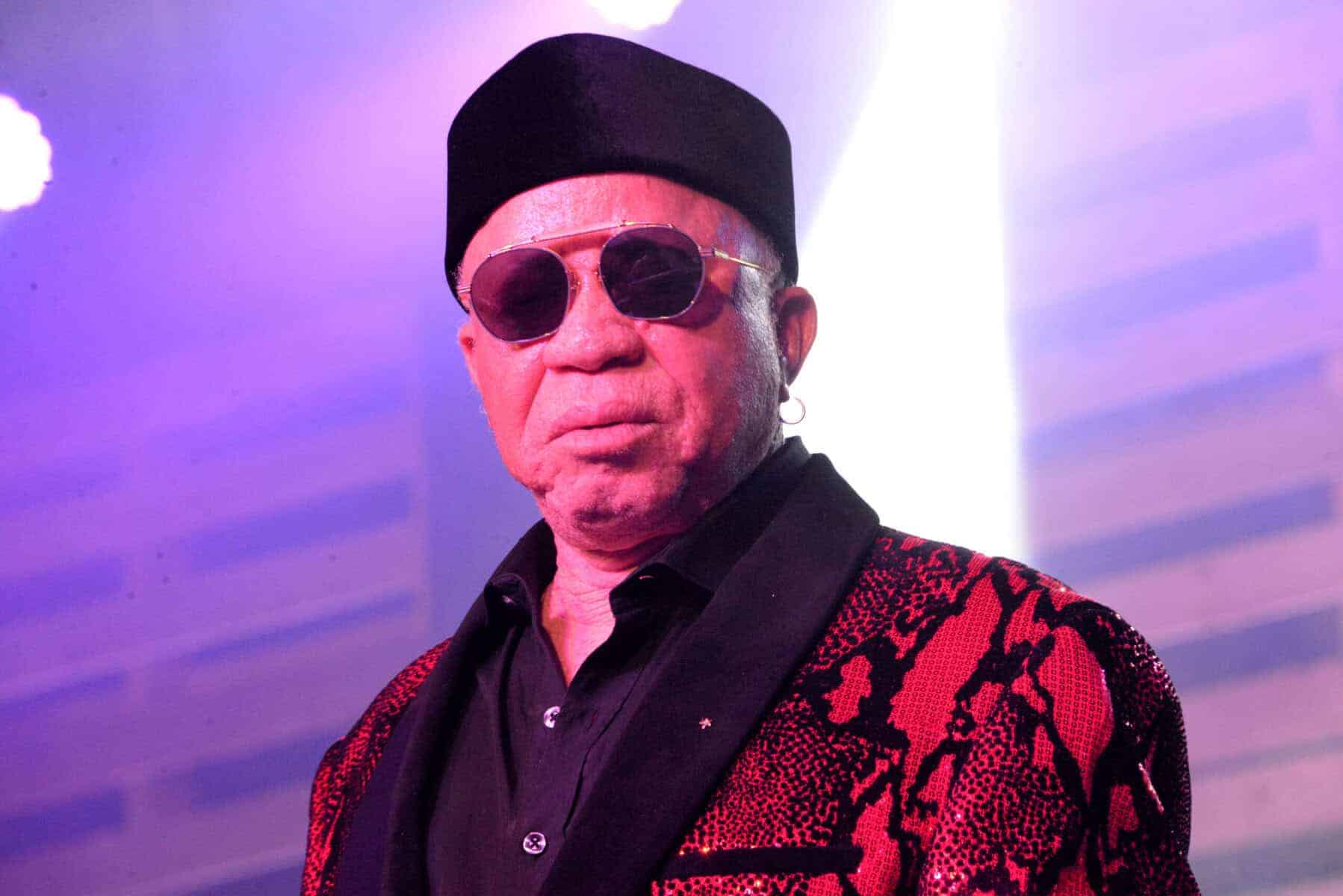
This week, Malian music icon Salif Keita cancelled all future performances in South Africa, turning an entertainment story into a wider conversation about African identity, migration and cultural solidarity.
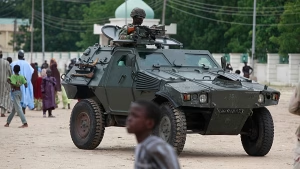
Keita announced the decision on Tuesday, August 25, saying he could not ignore reports of xenophobic violence against fellow Africans in South Africa. His spokesperson subsequently confirmed the cancellation to AFP.
The is significant because Keita is not merely withdrawing from a concert. He is using his cultural influence to respond to an issue that continues to challenge relations between Africans on the continent.
When music becomes a political voice
Popular musicians have always possessed a form of influence that extends beyond entertainment. Their performances create communities, attract international attention and sometimes provide a platform for subjects that political leaders would prefer to avoid.
Keita’s decision belongs to that tradition. By cancelling his South African engagements, he has chosen to sacrifice an immediate commercial opportunity to communicate his opposition to the mistreatment of fellow Africans.
The action also demonstrates the growing relationship between culture and public advocacy. Artists are increasingly expected to respond to political and social developments, particularly when those developments affect the communities that support their work.
Keita’s position is especially important because of his status in African music. Over several decades, the Malian singer has built an international career rooted in the sounds and cultural traditions of West Africa.
When an artist with that history withdraws from a major African market, the message travels beyond the concert industry.
South Africa’s recurring challenge
South Africa has experienced recurring tensions involving citizens and migrants from other African countries. These tensions are often connected to unemployment, inequality, competition for economic opportunities and political rhetoric around immigration.
However, attacking or intimidating migrants cannot resolve those underlying economic problems. It instead weakens the idea of African unity and damages South Africa’s standing as one of the continent’s most influential cultural and economic centres.
South African music, film, fashion and television enjoy audiences across the continent. Amapiano, for example, has developed into one of Africa’s most successful cultural exports.
That cultural exchange depends on audiences, artists and businesses moving across borders. Xenophobia undermines the same continental relationships that allow creative industries to grow.
The limits of a cultural boycott
There are questions about whether cancelling performances is the most effective response.
A concert boycott may deny fans the opportunity to see an artist they admire, even when those fans oppose xenophobia. It could also affect promoters, technical workers and other professionals who depend on live events.
Nevertheless, Keita’s decision has succeeded in drawing attention to the issue. It has shifted the conversation from government statements and immigration statistics to the cultural consequences of hostility between Africans.
The cancellation should therefore be understood as a symbolic protest rather than a complete solution.
Culture cannot be separated from society
African creative industries frequently promote the continent as a connected cultural market. Musicians collaborate across countries, filmmakers seek continental audiences, and fashion designers draw inspiration from traditions beyond their national borders.
That vision becomes difficult to sustain when Africans feel unsafe or unwelcome in other African countries.
Keïta’s decision reminds the creative industry that culture does not operate outside society. Artists, promoters and audiences are affected by the political and social conditions surrounding them.
His cancelled performances may create financial and cultural losses in the short term. But they have also placed an important question before the continent: can Africa build a shared creative economy without confronting the hostility that sometimes divides its people?
The answer will require more than statements from musicians. It will require responsible political leadership, fair immigration systems and a clearer rejection of xenophobic conduct.
For now, Keita has used the influence available to him, turning his absence from the stage into a message about the kind of Africa he is willing to perform for.


